
Top 10 Things to Do in Sapporo (Ranked, Not Just Listed)
Odori Park and the Snow Festival get all the attention, but Sapporo's better days involve Nijo Market crab, Moerenuma Park, and a bowl of ramen at 1am.
Most people plan a Sapporo trip around the Snow Festival and stop thinking past that. Fair enough in February — but Sapporo works as a city trip any time of year, and the festival crowds actually make it a worse version of itself for a few weeks. Here's the ranked list for whenever you're actually going.
1. Nijo Market
Sapporo's oldest food market, running over a century, and still the best breakfast in the city. Stalls sell sea urchin, crab, salmon, and squid straight off the boat; the restaurants tucked inside serve seafood rice bowls and fresh sushi for what a mediocre hotel breakfast costs elsewhere. Go early — by mid-morning the tour groups have found it too.
2. Moerenuma Park
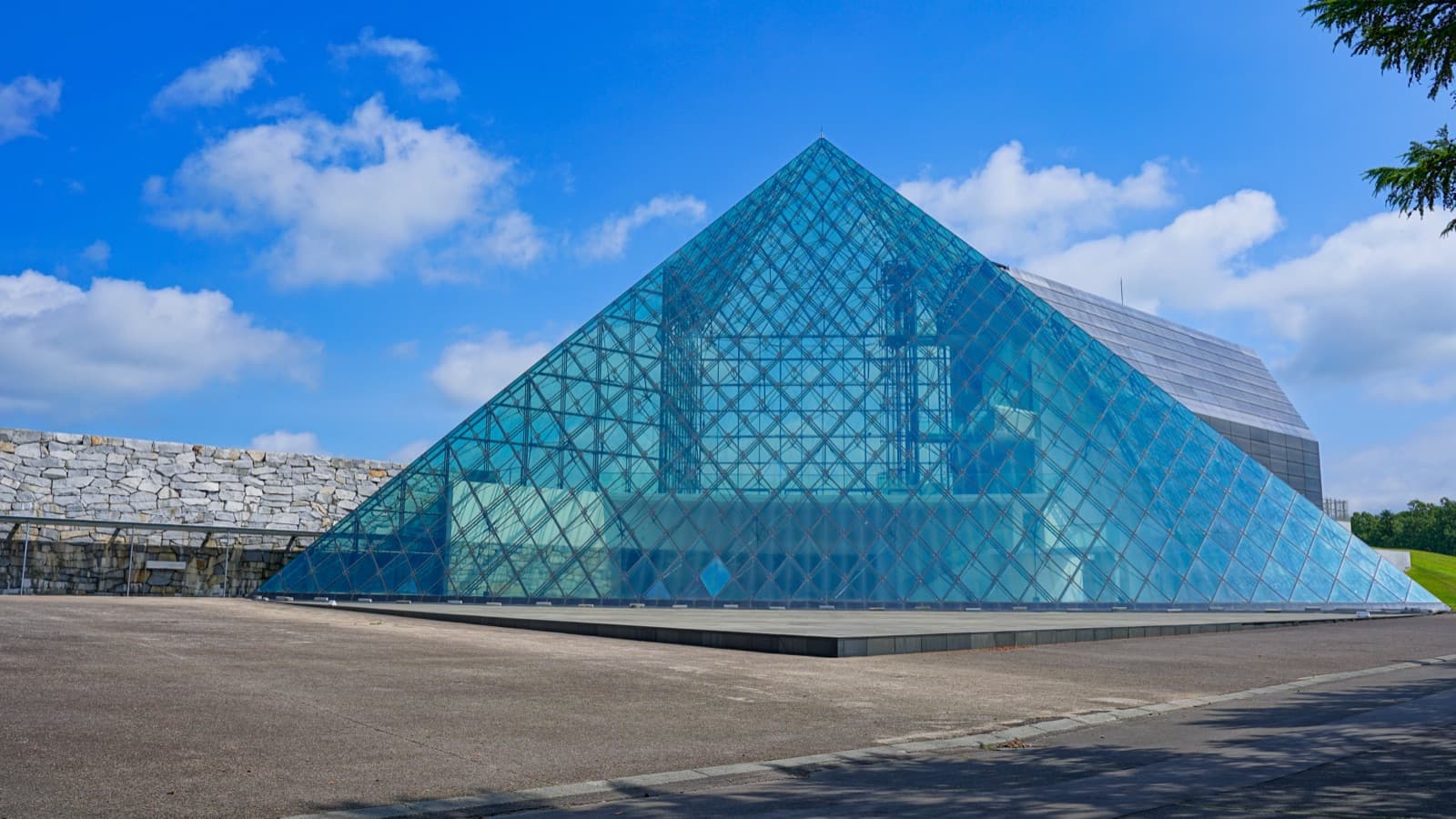
The most underrated entry on this list. Sculptor Isamu Noguchi designed the entire park — not just a piece inside it — on a former landfill site, and it took over 20 years to complete. A glass pyramid, man-made hills, fountains, and playground structures that all read as one continuous artwork rather than separate attractions bolted together. It's a 20–30 minute tram-plus-bus ride from downtown, which is exactly why most visitors skip it and exactly why it's worth the trip.
3. Odori Park
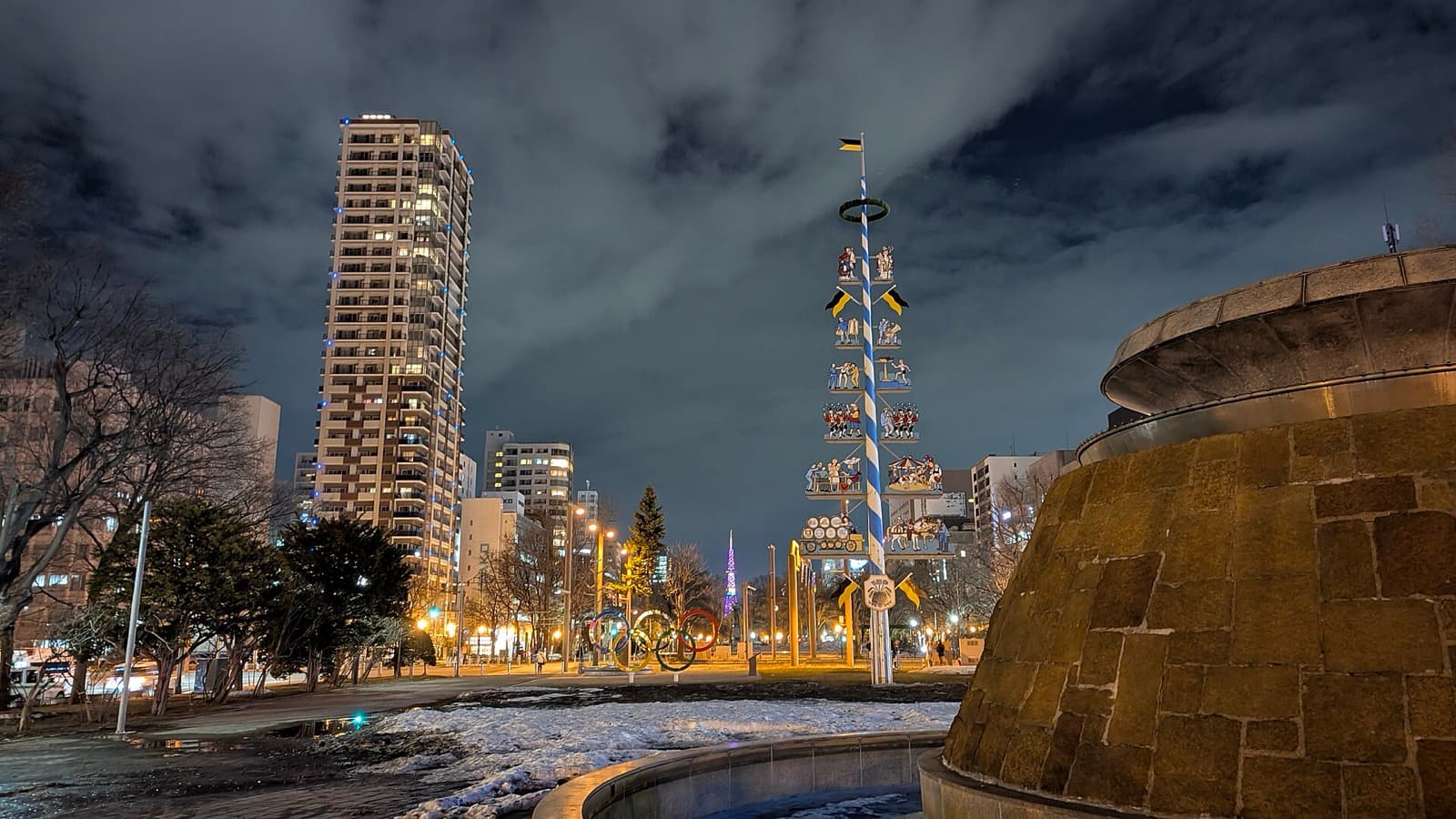
The city's central spine, running east-west through downtown. In February it hosts the Sapporo Snow Festival's massive ice and snow sculptures; the rest of the year it's a long, walkable green space anchored by the Sapporo TV Tower at the east end, worth climbing for a flat panoramic view of the grid-planned city below.
4. Sapporo Beer Museum
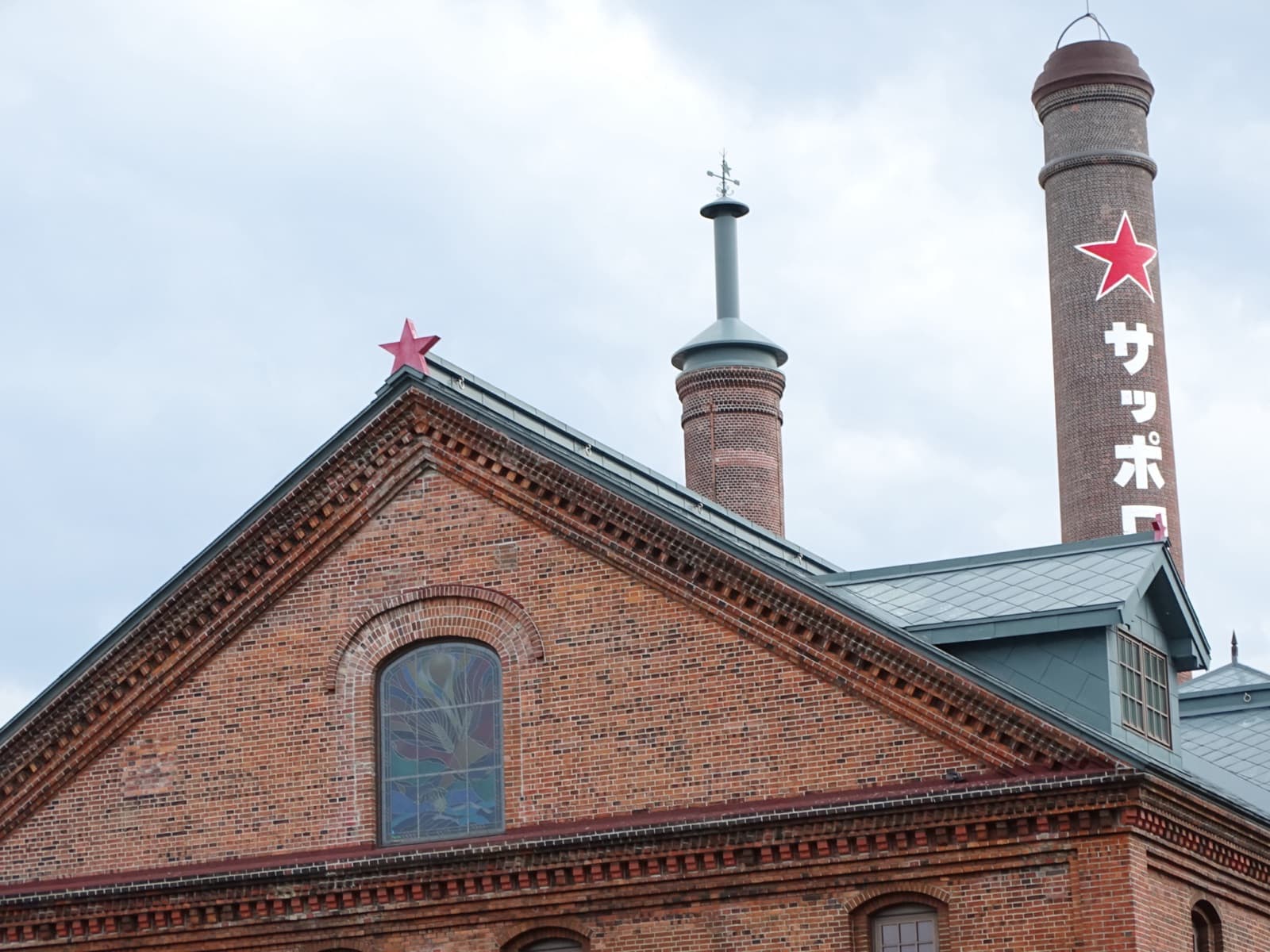
Housed in a genuinely handsome converted red-brick factory building, and free to walk through. If you want to taste something, the self-guided tasting runs about ¥1,000, or book the 55-minute Premium Tour (¥2,000), which includes two tastings and actually explains the brewing history rather than just pointing you at a bar. No reservation needed for self-guided; the Premium Tour should be booked ahead.
5. Susukino and Ramen Yokocho
Sapporo's entertainment district at night — neon, hundreds of small izakaya, and Ramen Yokocho, a narrow alley packed with ramen counters open into the small hours (most run 11am to around 3am). This is where Sapporo-style miso ramen actually comes from; eat it here before you judge the version served anywhere else in the world.
6. Shiroi Koibito Park
A working chocolate and cookie factory (maker of Hokkaido's famous Shiroi Koibito cookies) turned into a visitable attraction — ¥800 entry includes a factory tour and a cookie. Genuinely more interesting than "chocolate factory tour" sounds, and a good half-day if you're traveling with kids who've had enough shrines and markets.
7. Hokkaido Shrine
Sapporo's main Shinto shrine, set in wooded parkland that shifts the mood noticeably from the downtown grid a short trip away. Free to enter, open 6am–5pm in summer and 7am–4pm in winter. Combine it with neighboring Maruyama Park for a slower, green half-day.
8. Historical Village of Hokkaido
An open-air museum of relocated and reconstructed Meiji- and Taisho-era buildings from across the island — the closest thing Sapporo has to a time machine for how Hokkaido actually looked before it was a modern city. Less crowded than the museum-village concept usually implies, and a solid rainy-day pick since most of it is walkable under cover.
9. Mt. Moiwa Ropeway
Sapporo's own night-view mountain, on the smaller and less famous side compared to Hakodate's, but a fraction of the travel time from downtown — a ropeway ride up, city lights and the bay laid out below, back down in under two hours round trip.
10. A Genghis Khan (Jingisukan) Dinner
Hokkaido's signature grilled-mutton dish, cooked on a dome-shaped skillet at the table, usually alongside vegetables and finished with a dipping sauce. It's a Sapporo institution rather than a single restaurant to name — most izakaya-style Genghis Khan spots in Susukino do a reliable version, and it pairs correctly with the local Sapporo Classic draft beer, brewed only for Hokkaido.
Some links in this article are affiliate links. If you book through them, The Standard Japan may earn a commission at no additional cost to you.
For the rest of the island — Niseko, Otaru, Hakodate, and how to string them together — see the Hokkaido travel guide. For a canal-town day trip that pairs naturally with a Sapporo base, see Otaru day trip guide.
FAQ
How many days do I need in Sapporo? Two full days covers the list above comfortably. Add a third if you're doing Moerenuma Park and the Historical Village of Hokkaido both, since they're on opposite sides of the city.
Is the Sapporo Snow Festival worth planning a trip around? Yes, but know what you're signing up for — early February, heavy crowds, and hotel prices that spike hard. If crowds bother you, visit Sapporo in a different month and see the snow sculptures in photos instead.
Is Sapporo walkable, or do I need transit? Downtown (Odori, Susukino, the station area) is walkable. Moerenuma Park, the Historical Village of Hokkaido, and Mt. Moiwa all require a tram, bus, or taxi.
What's the best neighborhood to stay in? Near Sapporo Station or Odori — both put you within walking distance of the park, Susukino's nightlife, and the subway system for everything further out.
Is Nijo Market touristy now? Somewhat, but the food is still genuinely good and locally sourced — go early morning before the tour groups arrive and you'll get a much closer read on the real thing.
Can I do a Sapporo–Otaru–Hakodate loop in one trip? Yes. Otaru is a 30-minute train ride and works as a half or full day trip. Hakodate is further (3+ hours from Sapporo) and deserves its own overnight rather than a rushed add-on — see the Hakodate travel guide.
Need Help with This?
Have questions about Top 10 Things to Do in Sapporo (Ranked, Not Just Listed)? We're here to help. Send us a message and we'll get back to you within 24-48 hours.

Alex Rivera
Travel & Living Editor
Expat guide. Helps people actually move to and navigate Japan.
Moved from London to Tokyo in 2018. Went through the full gaijin experience—visa, housing, banking, the works. Now writes the guide he wished he had.
Tokyo
Expertise
Moving to Tokyo, expat life, travel, Kyoto vs Tokyo, onsen
The Standard Newsletter
Tokyo in your inbox. Weekly.
No algorithms curating your culture. No sponsored content disguised as journalism. Just the real Tokyo — the izakayas at 2am, the Harajuku kids who never made it to the algorithm, the ramen shop with no sign.
8K+
Subscribers
Weekly
Editions
Free
Always
Join the underground.
One email a week. Unsubscribe anytime.
No spam. No sharing your data. Tokyo only.
Related Stories
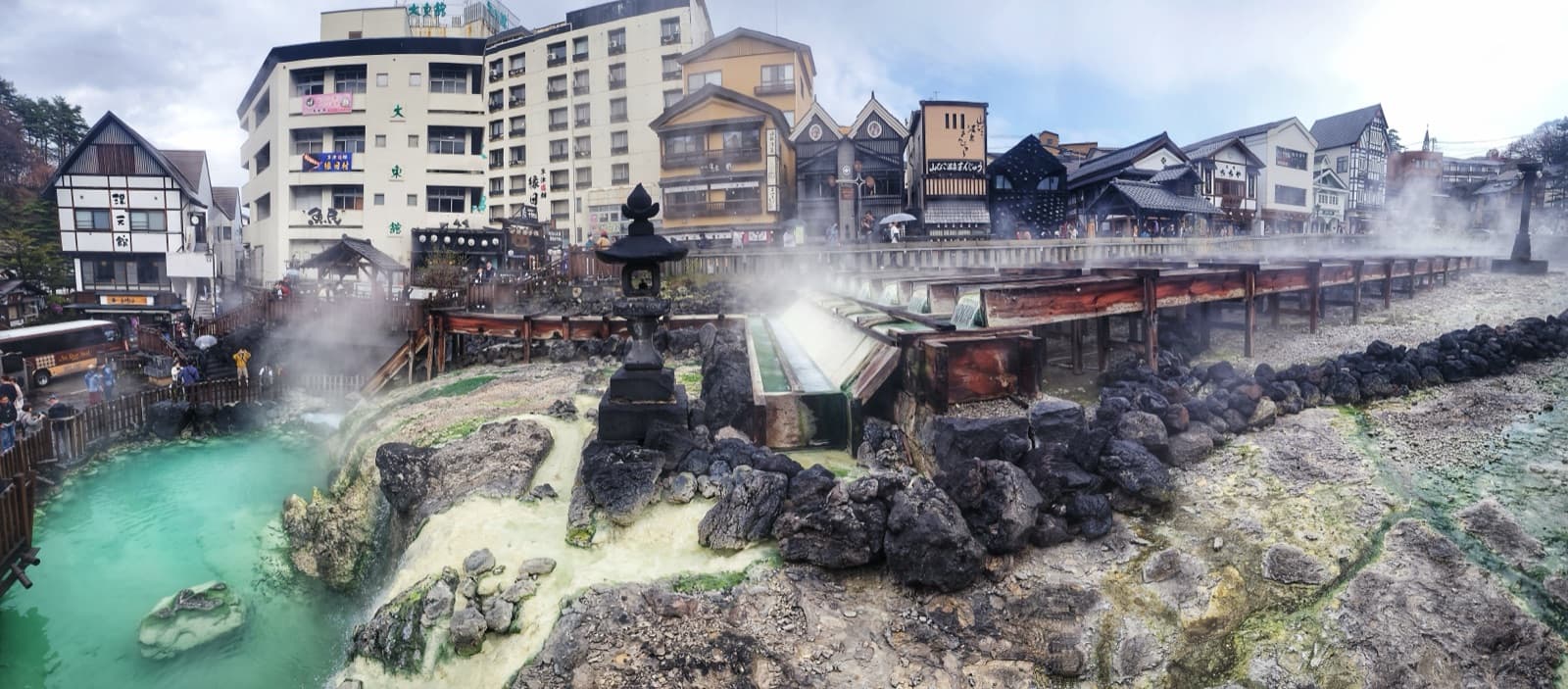
Best Onsen Towns in Japan: Kusatsu, Kinosaki, Beppu, and Where to Actually Go
A hotel with a hot tub isn't an onsen town. These seven actually are — walkable, steeped in it, built around the water instead of just offering it.
Best Ski Resorts in Japan (2026–27): Niseko, Hakuba, and Where the Powder Actually Is
Niseko gets the hype, but it's not the only — or even the best — call for every trip. A resort-by-resort breakdown of Japan's top ski towns for 2026–27.
Hakodate Travel Guide: The Night View, the Morning Market, and Getting There
Hakodate has one of Japan's three best night views, a morning market that's actually worth waking up for, and a shinkansen station Sapporo still doesn't have.