
Otaru Day Trip Guide: Canal, Sushi, and a 32-Minute Train from Sapporo
Otaru is the easiest good day trip out of Sapporo — a canal town with Hokkaido's freshest sushi, 32 minutes away by train. Here's how to actually spend the day.
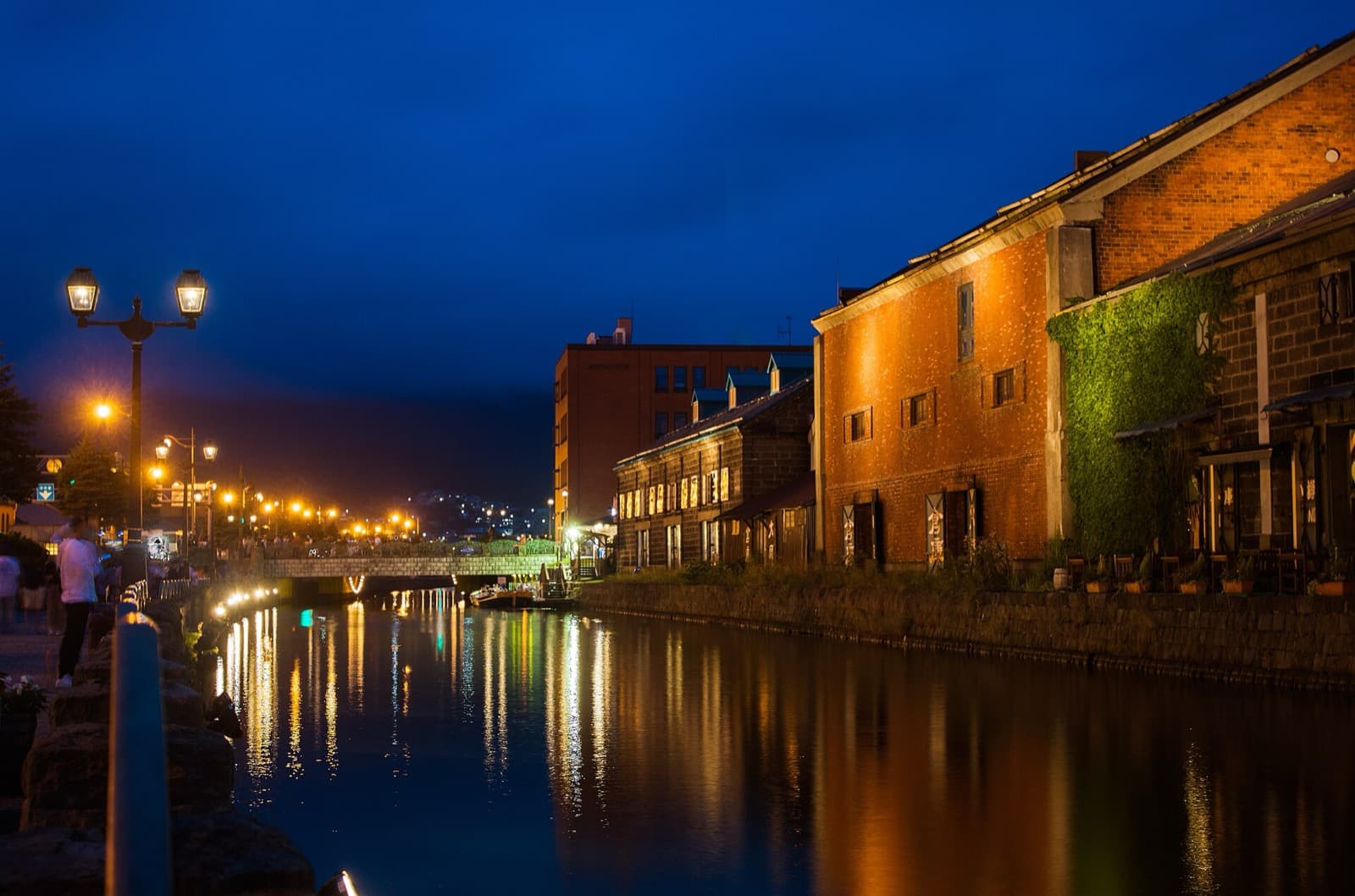
Otaru is what people picture when they imagine "canal town in Japan," and it's a 32-minute train ride from Sapporo, which is why it's the single easiest good day trip in Hokkaido. No car, no tour booking required, no real risk of getting it wrong. Here's how to actually spend the day rather than just photograph the canal and leave.
Getting There
Take the JR Rapid train from Sapporo Station to Otaru Station — 32 minutes, ¥750 one-way, running every 15–20 minutes through the day. Last trains back to Sapporo run until around 11pm, so there's no real risk of stranding yourself even on a long day. No reservation needed; just buy a ticket or tap an IC card at the gate.
The Canal
The Otaru Canal is about a 10-minute walk from the station. The photogenic stretch — stone warehouses, Victorian-style gas lamps, water reflecting the buildings — runs roughly 300 meters, short enough that people are sometimes surprised by how compact it is. Go once during the day and once near dusk if you have time; the lamps lighting up against the warehouses is a different, better version of the same view.
Sankaku Market and the Sushi
Otaru's sushi has a real claim to being the best in Hokkaido — the fishing boats dock directly at the port, so what's on the counter that morning was in the water that morning. Sankaku Market, between the station and the highway, is a cluster of about 15 shops and diners, open from as early as 6:30am, and the surrounding streets have a genuine concentration of good sushi counters, not just one famous shop everyone funnels into. Don't over-plan this part — walk until something looks right and sit down.
Sakaimachi Street
The old merchant quarter, and where Otaru's shopping actually lives. Kitaichi Glass is the name to know for Otaru's glasswork — the town has been a glassblowing center since its herring-fishing boom years, when glass floats were made locally for fishing nets, and that craft turned into the souvenir industry that's here now.
The Otaru Music Box Museum, at the Märchen intersection where Sakaimachi and Irifune Street cross, is Japan's largest music box store — roughly 80,000 pieces across 5,000 designs in the main building alone, housed in a red-brick building from 1915 with a steam clock out front that plays a melody every 15 minutes.
LeTAO, right at that same intersection, is the cheesecake stop — founded in 1998, and its Double Fromage (a baked cheesecake layered under a no-bake mascarpone top) is the thing to order, not just whatever's in the display case.
Some links in this article are affiliate links. If you book through them, The Standard Japan may earn a commission at no additional cost to you.
Otaru Beer
Less famous than Sapporo's brewery, but Otaru has its own craft beer operation, brewing in a converted warehouse near the canal in the same German-tradition style the town's beer history draws on. Worth a stop if you've already done Sapporo's Beer Museum and want the smaller, less touristed version of the same idea.
Winter: The Snow Light Path Festival
In February, Otaru runs the Snow Light Path Festival — candles and small snow lanterns lit along the canal and through Temiya Line Trail, an entirely different, quieter mood than the daytime canal walk. If you're already planning a Hokkaido winter trip around the Sapporo Snow Festival, timing an Otaru evening to overlap with this is close to free — check the current year's exact dates before you lock in travel, since they shift slightly year to year.
Suggested Day
Morning: Arrive, walk Sankaku Market, sushi lunch. Afternoon: Canal walk, Sakaimachi Street — glass, music boxes, LeTAO. Evening: Second canal walk at dusk for the lamps, sushi or Otaru Beer dinner, train back to Sapporo.
For the rest of a Sapporo-based trip, see top 10 things to do in Sapporo and the broader Hokkaido travel guide.
FAQ
Can I do Otaru as a half-day trip? Yes, but a full day is better — the canal alone takes 20 minutes, but Sankaku Market, Sakaimachi Street, and a proper sushi lunch fill out the rest naturally rather than feeling rushed.
Do I need to book a restaurant in advance for Otaru sushi? Not usually for a weekday lunch. Weekends and peak season (summer, snow festival period) can mean a short wait at the more well-known counters — walking a block further usually finds an equally good, quieter option.
Is Otaru worth it if I've already seen Sapporo's own attractions? Yes — it's a genuinely different town, not a smaller version of Sapporo. The canal-town character and the direct-from-boat sushi aren't things Sapporo itself offers.
What's the best time of day to see the canal? Both — daytime for the classic photo, dusk for the gas lamps lit against the warehouses. If you can only pick one, dusk is the better version.
Can I bring glasswork or music boxes home easily? Most Sakaimachi Street shops pack fragile items for travel, and some offer overseas shipping for larger pieces — ask before you buy if you're worried about a music box surviving your suitcase.
Is Otaru connected to any other Hokkaido day trips? Some tours combine Otaru with a Sapporo evening (Odori Park, Ramen Yokocho) in one long day. Doable, but it makes for a genuinely long day — fine once, not something to repeat if you have more than a few days on the island.
Need Help with This?
Have questions about Otaru Day Trip Guide: Canal, Sushi, and a 32-Minute Train from Sapporo? We're here to help. Send us a message and we'll get back to you within 24-48 hours.

Alex Rivera
Travel & Living Editor
Expat guide. Helps people actually move to and navigate Japan.
Moved from London to Tokyo in 2018. Went through the full gaijin experience—visa, housing, banking, the works. Now writes the guide he wished he had.
Tokyo
Expertise
Moving to Tokyo, expat life, travel, Kyoto vs Tokyo, onsen
The Standard Newsletter
Tokyo in your inbox. Weekly.
No algorithms curating your culture. No sponsored content disguised as journalism. Just the real Tokyo — the izakayas at 2am, the Harajuku kids who never made it to the algorithm, the ramen shop with no sign.
8K+
Subscribers
Weekly
Editions
Free
Always
Join the underground.
One email a week. Unsubscribe anytime.
No spam. No sharing your data. Tokyo only.
Related Stories
Best Onsen Towns in Japan: Kusatsu, Kinosaki, Beppu, and Where to Actually Go
A hotel with a hot tub isn't an onsen town. These seven actually are — walkable, steeped in it, built around the water instead of just offering it.
Best Ski Resorts in Japan (2026–27): Niseko, Hakuba, and Where the Powder Actually Is
Niseko gets the hype, but it's not the only — or even the best — call for every trip. A resort-by-resort breakdown of Japan's top ski towns for 2026–27.
Hakodate Travel Guide: The Night View, the Morning Market, and Getting There
Hakodate has one of Japan's three best night views, a morning market that's actually worth waking up for, and a shinkansen station Sapporo still doesn't have.