
Renting a Car in Japan: IDP Rules, ETC Cards, and the 2026 Toll Gate Change
Renting a car in Japan needs an International Driving Permit, an ETC card for tolls, and awareness of a 2026 rule that can strand you at the barrier.
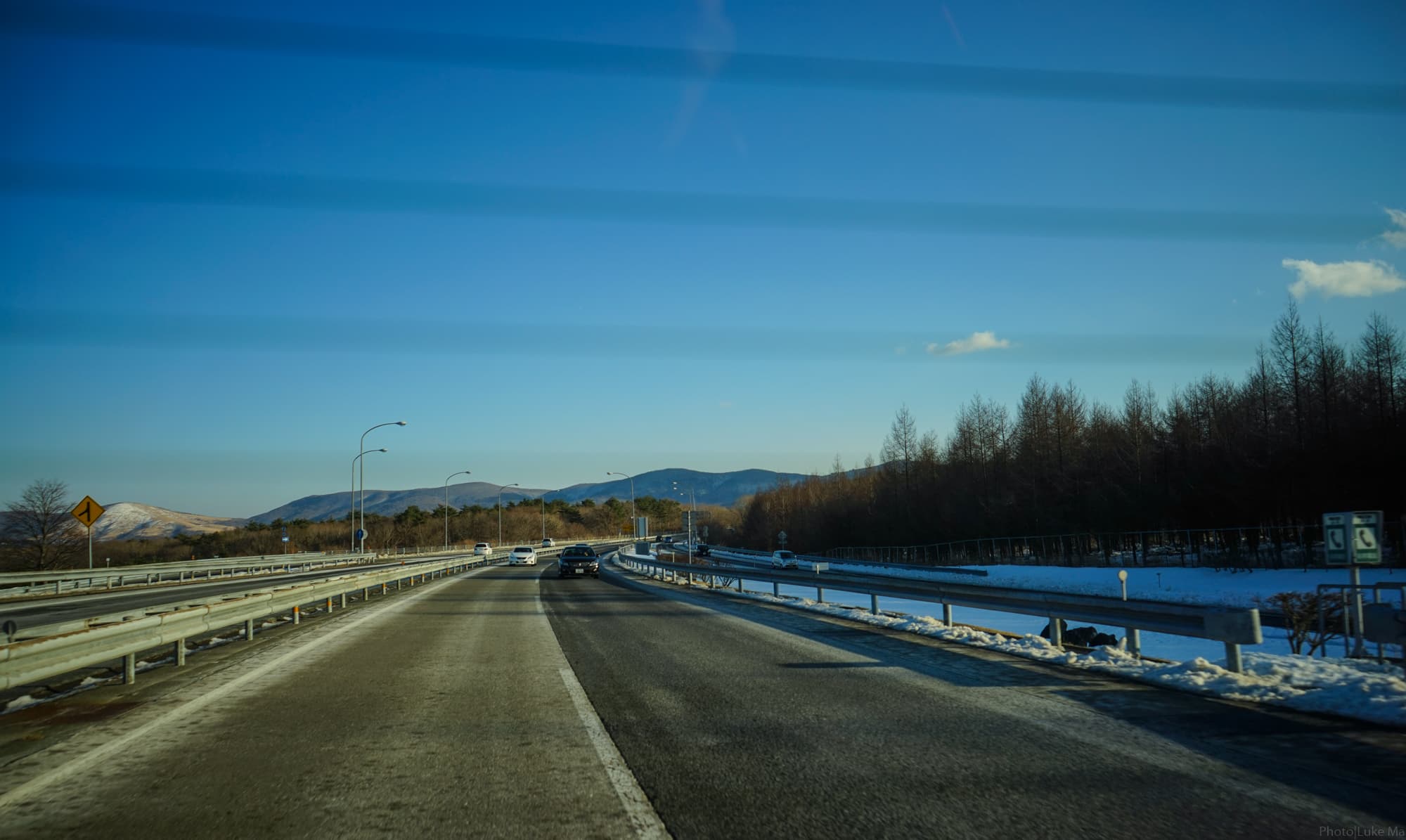
A car is the wrong call inside Tokyo, Kyoto, or Osaka — trains and IC cards win there (Suica/Pasmo guide). But for Hokkaido, Okinawa, the Japan Alps, or rural corners of Honshu where the train network thins out, a rental car is often the only practical way to see the places you actually came for. Here's what changed in 2026 and what still trips up first-time renters.
Some links in this article are affiliate links. If you book through them, The Standard Japan may earn a commission at no additional cost to you.
Do You Actually Need One?
Skip it for: Tokyo, Kyoto, Osaka, Kanazawa — dense rail networks, expensive and scarce parking, and driving adds stress without adding access. Use Google Maps and the rest of the core app stack instead.
Get one for: Hokkaido (distances between towns are large and buses are sparse), Okinawa (the outer islands especially), the Japan Alps and onsen towns off the shinkansen line, and any multi-stop rural itinerary where you'd otherwise be waiting on an hourly local train.
International Driving Permit: The Part People Get Wrong
Japan recognizes only International Driving Permits issued under the 1949 Geneva Convention — not the newer 1968 Vienna Convention format that much of Europe uses, and not a digital or photocopied IDP. You need the genuine paper booklet, carried alongside your original home license.
Get it from your own country's issuing body before you fly — in the US that's AAA, in the UK it's the Post Office, in Australia it's your state motoring club. It's typically valid for one year from issue.
The exception list: if your license was issued in Germany, Switzerland, France, Belgium, Monaco, or Taiwan, a standard IDP won't work at all — those countries aren't 1949 Geneva signatories in the way Japan requires. You need a JAF (Japan Automobile Federation) Japanese translation of your home license instead, arranged either before arrival by mail or in person at a JAF office once you land. Budget roughly ¥6,000 and 1–2 weeks if mailing it in advance.
Booking the Car
Toyota Rent a Car, Nippon Rent-A-Car, Orix Rent a Car, Times Car, and Nissan Rent a Car are the big nationwide chains with English booking sites and airport counters. Book ahead in peak seasons (Golden Week, Obon, cherry blossom, New Year) — rural counters run out of cars fast.
- Most companies rent to drivers 18+ with a valid IDP, though a few require your home license to be at least one year old.
- One-way rentals (pick up in one city, drop off in another) usually carry an extra fee — check before assuming it's included.
- Compact cars (軽自動車 / kei cars) are cheaper, easier to park, and fine for most tourist routes; only size up if you have significant luggage or a larger group.
If you'd rather compare prices across multiple companies in one search instead of checking each chain's site separately:
ETC Cards and the 2026 Toll Gate Change (Read This Before You Drive)
Ask for an ETC card when you book or pick up the car — it's a small add-on (¥330–¥550 for the rental) that lets you pass toll gates without stopping to pay cash, and it's genuinely worth it on any expressway-heavy route.
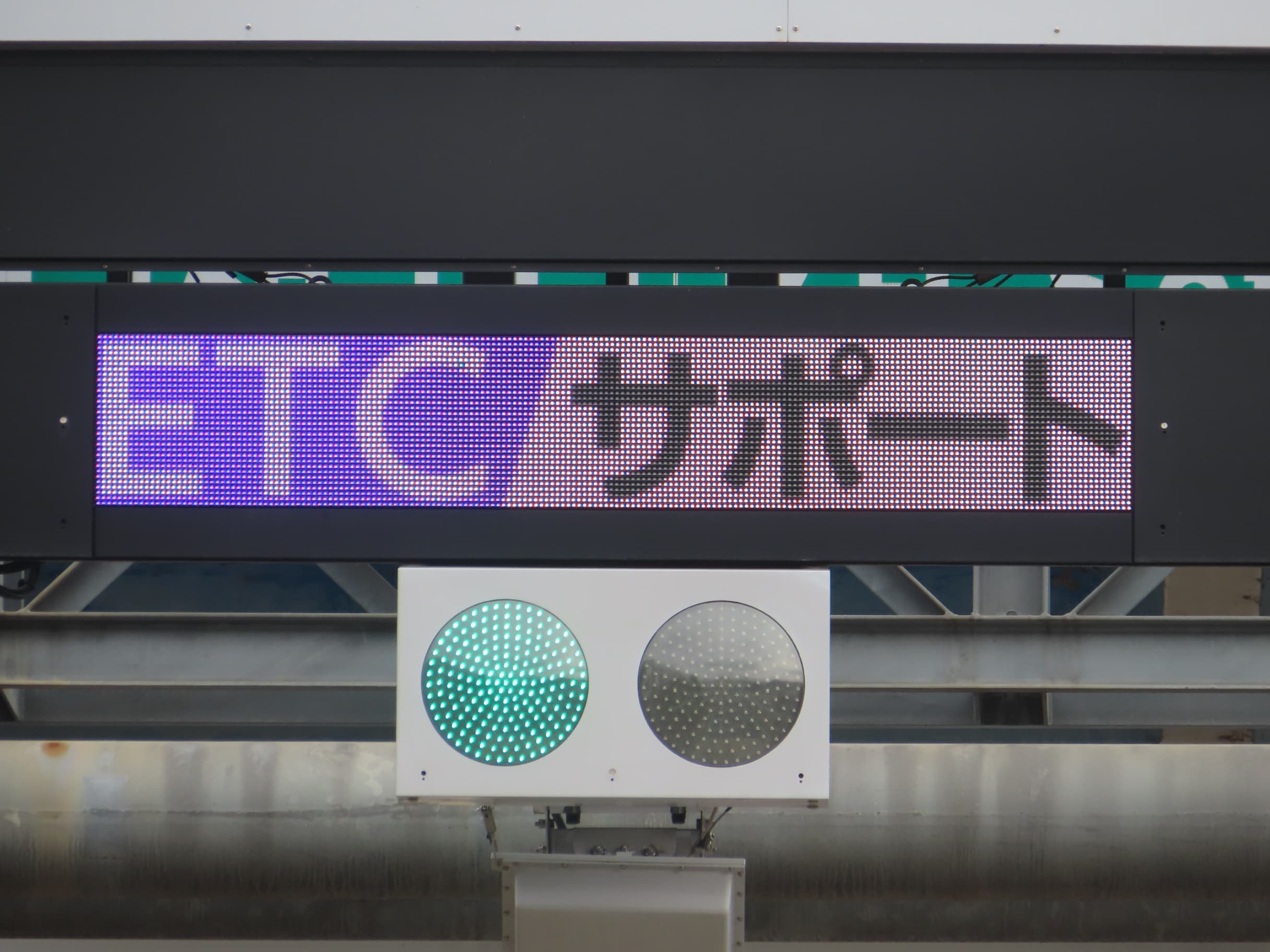
What changed: starting spring 2026, NEXCO Central Nippon converted 35 toll gates and NEXCO West Nippon converted 30 more to ETC-only — no manned booth, no cash lane. If you drive into one of these without an ETC card, you can't pay on the spot. Do not reverse if this happens; pull forward to the lane marked "ETC/Support" or "Support" and follow staff instructions, since backing up on an expressway approach is dangerous and illegal.
The old nationwide unlimited Japan Expressway Pass has been discontinued. Regional expressway passes for foreign visitors still exist for specific areas (Hokkaido, Kyushu, and others) but must be taken out together with a rental car from a designated outlet inside that region — ask your rental counter if one covers your route.
On the Road
Drive on the left, same as the UK and Australia — the biggest adjustment for US and European drivers is usually indicator/wiper stalk placement being mirrored, not the road side itself.
Expressway signage on major routes includes English. Rural roads are more hit-or-miss — pair your car's built-in navigation with Google Maps in driving mode or NAVITIME Drive, both of which handle Japanese addresses better than typing them manually.
Parking in cities is expensive and scarce; coin parking (コインパーキング) by the hour is the norm — budget for it separately from your fuel cost if your itinerary includes a city stop.
Convenience store and rest-area etiquette — Japan's expressway rest stops (サービスエリア) are a genuine highlight, often with better food than the destination itself. Budget extra time to actually stop at one.
Tips for International Visitors
- Treat drink-driving as zero tolerance. The legal limit is 0.03% BAC, and penalties can extend to passengers and anyone who encourages or supplies alcohol to a driver. The only safe rule is not to drink if you're driving. The JAF traffic rules page covers the basics in English.
- Children under 6 need a child seat. Add one when you book; rental companies supply them.
- After any accident, call the police on 110 — even a minor one — and 119 for injuries. Then call the rental company. You will typically need a police report for the insurance claim, so don't drive off.
- Fill up with "regular." Rental cars almost always run on regular gasoline, and putting diesel in a petrol engine ruins it. Most stations are self-service, and you're normally required to return the car with a full tank.
- In Hokkaido winter, expect studless tires and black ice. Winter rentals generally come with studless snow tires (roughly November–April), and many companies forbid fitting chains yourself. The main dangers are wet-looking roads that are actually black ice and ground blizzards (jifubuki): slow down, turn on your lights, and never stop dead in the lane. Regional context: Hokkaido travel guide.
FAQ
Can I rent a car in Japan with just my home driver's license? No, unless it's a Japanese license. Nearly every visitor needs a genuine 1949-format International Driving Permit, or a JAF translation if you're licensed in Germany, Switzerland, France, Belgium, Monaco, or Taiwan.
Do I need an ETC card? Not legally required for local roads, but strongly recommended for any expressway driving — some toll gates are now ETC-only with no way to pay cash. Rent one with your car for a few hundred yen.
Is driving in Tokyo worth it? No. Parking is expensive, traffic is heavy, and the train network covers everything you'd want to reach. Rent a car only once you're headed somewhere trains don't reach well.
What's the minimum age to rent a car in Japan? Usually 18 with a valid IDP, though some rental companies require your home license to be at least a year old — check the specific company's terms when booking.
Can I do a one-way rental (different pickup and drop-off cities)? Yes, at most major chains, but expect an extra fee that varies by distance between locations.
Is the Japan Expressway Pass still available? The old nationwide unlimited pass was discontinued. Regional passes still exist for specific areas like Hokkaido or Kyushu, bundled with a rental car from a designated outlet.
Need Help with This?
Have questions about Renting a Car in Japan: IDP Rules, ETC Cards, and the 2026 Toll Gate Change? We're here to help. Send us a message and we'll get back to you within 24-48 hours.

The Standard Japan
Editorial Team
The collective voice of The Standard Japan. Our team lives in Tokyo and writes with authority because we live it.
Founded in 2024. Our editors and contributors are based across Tokyo—from Shinjuku to Shimokitazawa.
Tokyo
Expertise
Japan culture, food, fashion, travel, living
The Standard Newsletter
Tokyo in your inbox. Weekly.
No algorithms curating your culture. No sponsored content disguised as journalism. Just the real Tokyo — the izakayas at 2am, the Harajuku kids who never made it to the algorithm, the ramen shop with no sign.
8K+
Subscribers
Weekly
Editions
Free
Always
Join the underground.
One email a week. Unsubscribe anytime.
No spam. No sharing your data. Tokyo only.
Related Stories
Cherry Blossom Japan 2027: Forecast Timing, Best Spots, and When to Book
The 2027 sakura forecast won't exist until December — but the bookings that matter happen months earlier. Here's how to plan the season anyway.
Golden Week 2027: Why This One Is Worse Than Usual (April 29 – May 5)
Golden Week 2027 has a calendar quirk that turns one day of leave into a seven-day holiday for most of Japan. That's great for locals and bad for your hotel rate.
Japan in April 2027: Peak Sakura, the Golden Week Runup, and the Quiet Middle
April 2027 has two expensive bookends and an underrated middle. Weeks two and three are the best-value spring travel in Japan — and almost nobody books them.