
Kamakura Day Trip from Tokyo: Daibutsu, Hasedera, Enoshima
Kamakura day trip from Tokyo: JR ~1 hour, Great Buddha, Hasedera, Tsurugaoka Hachimangu, optional Enoshima, shirasu, walkable plan.

Kamakura is the cleanest “one train, whole day of temples and coast” escape from Tokyo. From Tokyo Station or Shimbashi on the JR Yokosuka Line, you are in Kamakura Station in roughly one hour. The Great Buddha (Daibutsu) at Kotoku-in, the cliffside temples of Hasedera, and Tsurugaoka Hachimangu fit a walkable loop — with Enoshima as an optional extra if your legs and timetable allow.
For other day-trip pacing, see Hakone and Nara (from Kansai). Tap in with Suica / Pasmo; station English is solid per how to use Tokyo Metro skills transferring at major hubs.
Some links in this article are affiliate links. If you book through them, The Standard Japan may earn a commission at no additional cost to you.
Getting There and Orientation
JR Yokosuka Line — Direct from Tokyo, Shimbashi, or Shinagawa to Kamakura. Unreserved local/rapid; one-way from Tokyo Station is typically around ¥920–¥970 (IC fare). From Shinjuku, use the Shonan-Shinjuku Line to Ofuna/Kamakura (similar duration, check the diagram the morning of).
Return trains — Frequent until late evening. You are not fighting a Nikko-style last-bus problem.
Station layout — East Exit faces Komachi-dori and the path toward Tsurugaoka Hachimangu. West / bus / Enoden connections handle Hase and Enoshima. Pick up a paper map at the tourist booth if you want analog backup.
Enoden (Enoshima Electric Railway) — Tiny local train from Kamakura to Hase (for Daibutsu) and on to Enoshima. One-way short hops are a few hundred yen; a day pass can make sense if you bounce between Hase and Enoshima. Suica usually works.
Walkable Core Itinerary
Morning: Tsurugaoka Hachimangu (鶴岡八幡宮) — Kamakura’s central shrine at the end of a long approach. Free to walk the grounds; some inner areas may charge modest fees. Go early (before 10:00) for softer light and fewer tour groups. Cherry season and New Year are packed.
Komachi-dori — Souvenir and snack street from the station toward the shrine. Good for a second breakfast (taiyaki, soft cream) but save real lunch for after the shrine or near Hase.
Midday move to Hase — Bus from Kamakura Station toward Hase, or Enoden to Hase Station (~10 minutes). Walking the whole way is possible but eats time you may want for temples.
Kotoku-in Great Buddha (高徳院・大仏) — ~11.3 m bronze Amida, outdoors since the hall washed away centuries ago. You can enter the hollow interior for a small extra fee (often around ¥50 on top of grounds admission near ¥300). Arrive as early as practical — this is the Instagram bottleneck.
Hasedera (長谷寺) — Hillside temple with Kannon hall, gardens, and optional cave. Admission often around ¥400. Hydrangea season (June) and autumn colors are peak visits; the ocean viewpoint on clear winter days can include distant Fuji.
Optional: Kenchoji / Engakuji — Serious Zen temples near Kita-Kamakura Station (one stop before Kamakura on JR). If you care more about quiet halls than the Daibutsu photo, swap an hour here and compress Hase.
Enoshima, Beaches, and Food
Enoshima — Island connected by bridge from Katase-Enoshima (Enoden). Escalator/stairs up to shrines, lighthouse views, and caves depending on tickets (combination tickets often ¥500–¥1,500 range). From Kamakura Station allow half a day if you do Enoshima properly — meaning either start at 8:00 or skip Hasedera/Daibutsu depth.
Beaches (Yuigahama, Zaimokuza) — Summer swimming and evening walks; mid-August weekends are towel-to-towel. Spring and autumn are better for walking without heatstroke. Do not leave bags unattended — low crime is not zero risk (see broader context in city safety culture guides).
Eat shirasu — Fresh whitebait bowls (shirasu-don) are the Kamakura/Shonan order. Expect ¥1,200–¥2,000 for a solid bowl near the coast or Komachi side streets. Also try local kamaboko and soft cream if you have stomach space.
Coffee / pause — Hase and Komachi both have cafés; use them as crowd buffers between temple blocks rather than rushing every hall.
Timing, Costs, and Realistic Pacing
Classic full day without Enoshima:
8:30 arrive Kamakura → Hachimangu → Komachi snack → Enoden to Hase → Daibutsu + Hasedera → late lunch shirasu → beach walk → 17:00–18:00 train to Tokyo.
Full day with Enoshima:
Skip lingering on Komachi shopping; Daibutsu early; Enoshima afternoon; accept you will not deeply do Kenchoji.
Budget ballpark:
- JR round-trip from Tokyo: ~¥1,900
- Enoden / buses: ¥500–¥1,500
- Daibutsu + Hasedera: ~¥700–¥800
- Lunch: ¥1,200–¥2,000
- Total: often ¥5,000–¥9,000 before souvenirs
Compared with Nikko, Kamakura is cheaper, closer, and less mountain-logistics heavy — better “first day trip” for jet-lagged arrivals after you settle using what to do in Tokyo. Etiquette at shrines still applies: Japan etiquette rules.
FAQ
How long from Tokyo to Kamakura? About 55–70 minutes on JR from Tokyo/Shimbashi/Shinagawa. From Shinjuku use Shonan-Shinjuku Line services.
Can I do Kamakura and Enoshima in one day? Yes if you start early and move with purpose. For a relaxed temple day, skip Enoshima or save it for a second trip.
How much is the Great Buddha? Grounds admission is typically around ¥300, plus a small fee to enter inside the statue.
Is Kamakura walkable? The station–Hachimangu–Komachi core is walkable. Hase is best by Enoden or bus unless you want a long walk.
What should I eat in Kamakura? Shirasu-don is the local signature. Budget ¥1,200–¥2,000 for a proper bowl.
Is Kamakura good in summer? Temples are fine; beaches are crowded and hot. Hydrangea season at Hasedera (June) is beautiful and busy. Bring water and expect lines at Daibutsu.
Travel Desk
The Standard Japan
Trip planning: seasons and crowds, getting around, airports, where to stay, and the practical steps before and after you land.
Facts are taken from primary sources (operators, venues, official tourism and government pages) and dates and prices are checked on the day of writing. Pages are revised when those sources change.
Expertise
Seasonal crowds, transport and airports, itineraries, lodging, pre-trip logistics
Have a question or a correction?
Ask us anything about Kamakura Day Trip from Tokyo: Daibutsu, Hasedera, Enoshima, or tell us what we got wrong. We reply within 24 to 48 hours.
The Standard Newsletter
Tokyo in your inbox. Weekly.
No algorithms curating your culture. No sponsored content disguised as journalism. Just the real Tokyo — the izakayas at 2am, the Harajuku kids who never made it to the algorithm, the ramen shop with no sign.
280+
Guides
Weekly
Editions
Free
Always
Join the underground.
One email a week. Unsubscribe anytime.
No spam. No sharing your data. Tokyo only.
Related Stories
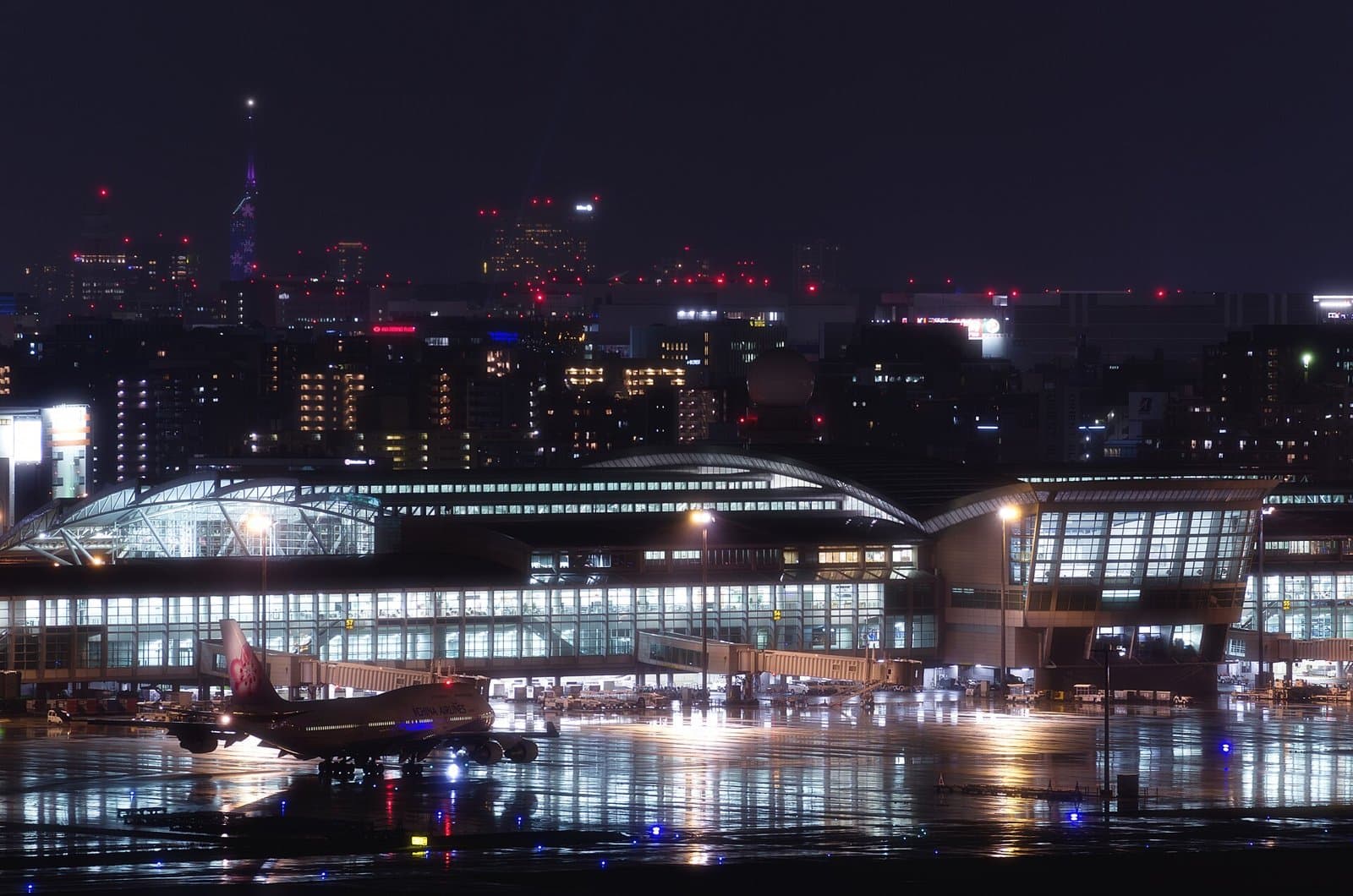
Fukuoka Airport to Hakata & Tenjin: Subway, Shuttle, Bus
Fukuoka's subway reaches Hakata in about 5 minutes, but only from the domestic terminal. International arrivals take a free shuttle or a direct bus.
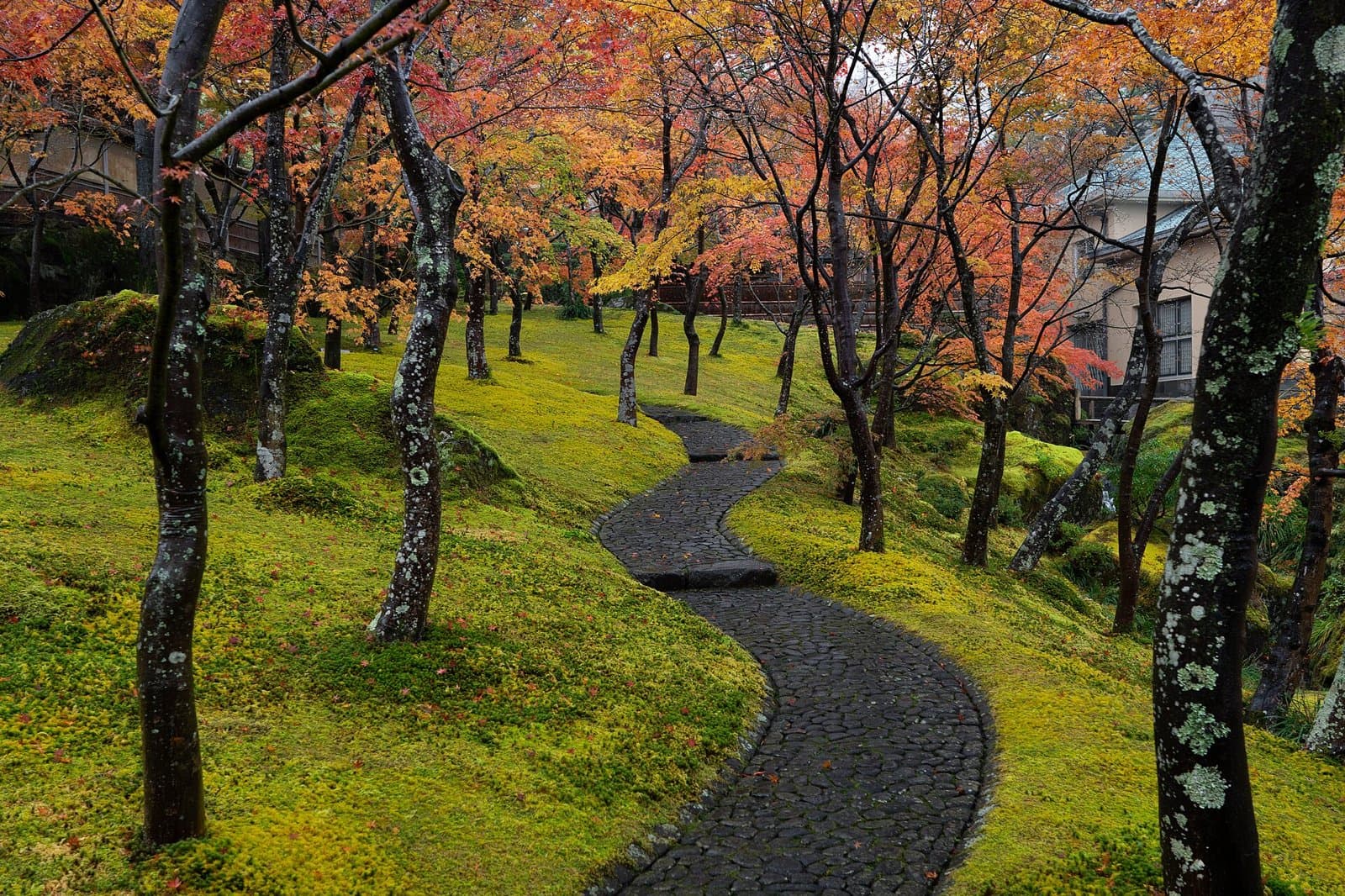
Hakone Autumn Leaves 2026: Crowds, Traffic, Timing
Hakone's colour moves downhill from late October to early December, and Nov 21–23 is a Japanese long weekend. Where to go, and when to move.
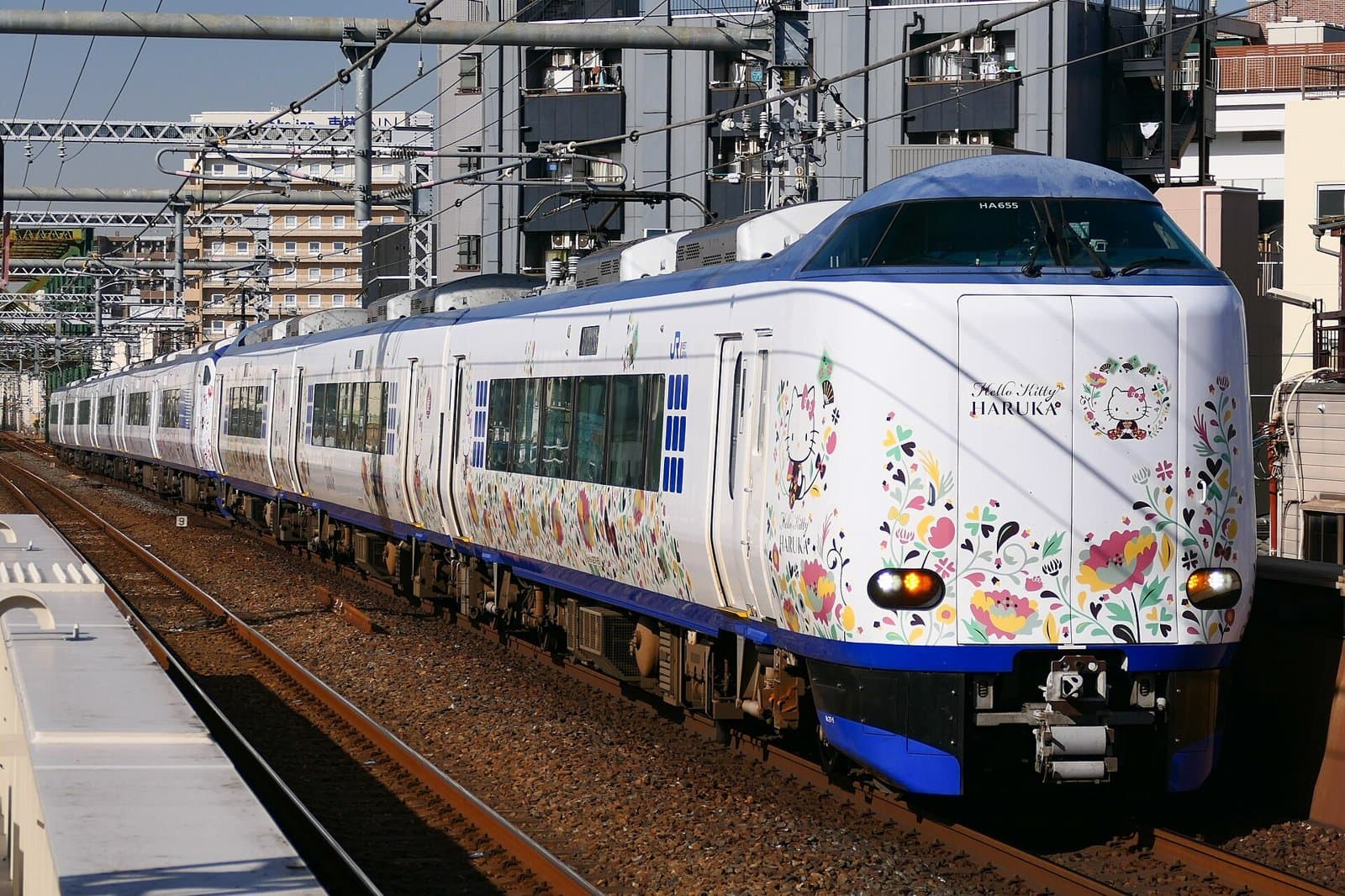
Kansai Airport to Kyoto & Osaka: Haruka, Rapi:t or Bus
From KIX, where you sleep decides the train: Haruka for Kyoto and Umeda, Nankai for Namba, the bus for late landings. Times, visitor fares, traps.