
Tipping in Japan: Do You Tip? (2026 Guide)
Tipping in Japan: you generally do not tip in 2026. Restaurants, taxis, and hotels — what's expected, rare exceptions, and what to do instead.
Correction, 7 October 2026: an earlier version called the ryokan custom of thanking staff "otoshidama-style" and said it takes the form of a gift rather than cash. The custom is kokorozuke, usually a small amount of cash in an envelope. Otoshidama is New Year money given to children. It also said service charges are uncommon; many hotels and upscale restaurants add one.
Do you tip in Japan? No, not in restaurants, taxis, bars or hotels in ordinary situations. A tip is more likely to confuse staff than please them, and it may be handed back. Good service is part of the price and of professional pride (omotenashi), not something paid for separately.
Below is what to do in each situation, the few exceptions, and better ways to say thank you.
Quick reference
| Situation | Tip? | What to do instead |
|---|---|---|
| Restaurant or izakaya | No | Pay the bill; say "gochisousama deshita" as you leave |
| Taxi | No | Pay the fare shown, or in the app |
| Hotel | No | Check the bill: upscale hotels often add a service charge |
| Ryokan | Not expected | Some guests give kokorozuke at high-end ryokan (see below) |
| Private tour guide | Not expected | A thank-you, a review, or a small gift |
| Konbini and chains | No | There is no tip line on the receipt |
Why Japan doesn't tip
Prices and wages are set on the assumption that nobody tips. Staff are not working for a percentage on top, and good service is treated as part of doing the job properly.
Because of that, extra money looks like a mistake. If you leave cash on the table, there is a fair chance someone will follow you out to return it. For more on the thinking behind it, see what is omotenashi and our etiquette guide.
Restaurants and izakaya
Pay the total on the bill. Almost no restaurant receipt in Japan has a line for a tip.
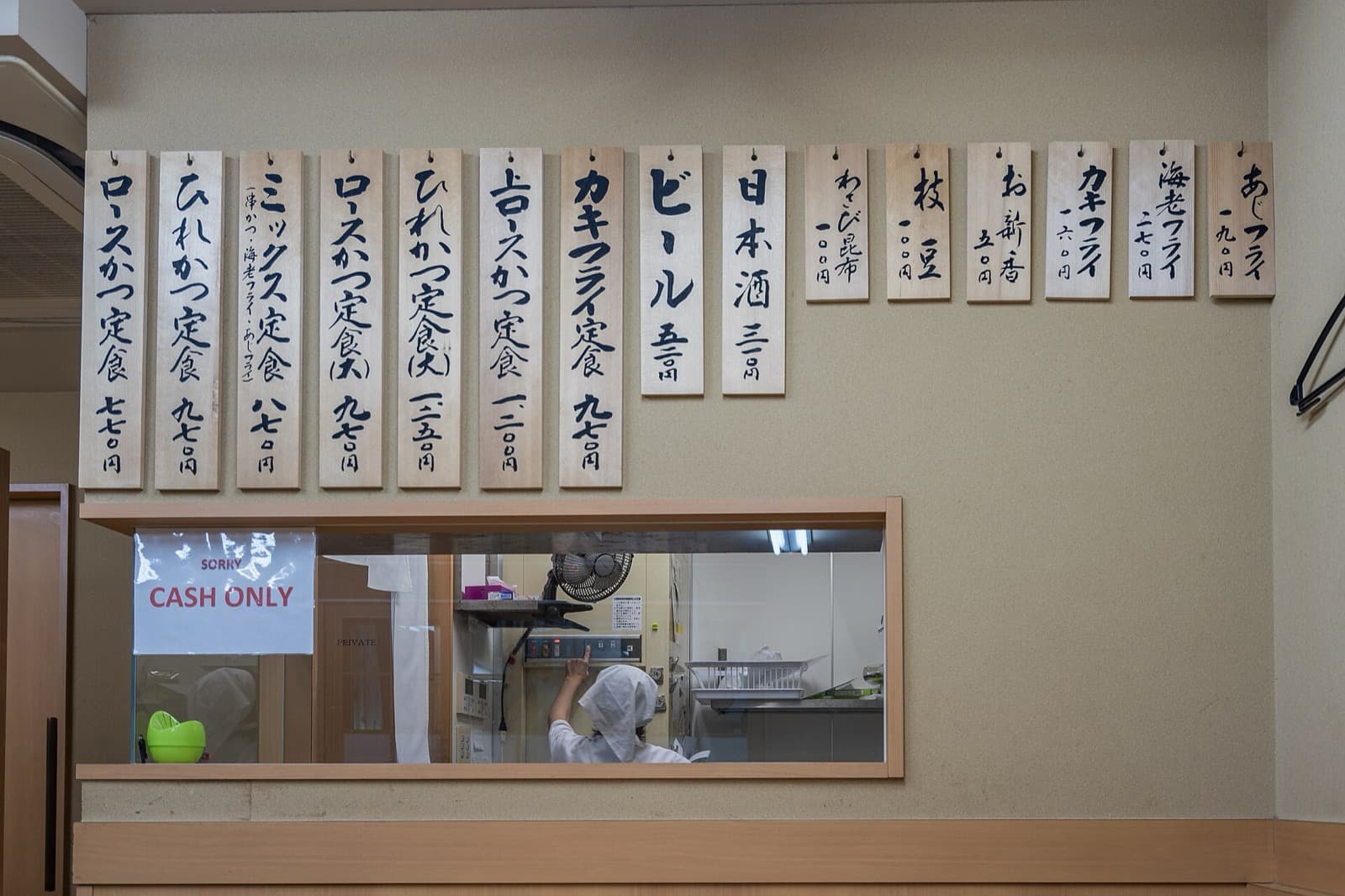
At an izakaya you may be charged a cover fee, often with a small dish called otoshi (お通し). That is a seating charge, not a tip.
At high-end sushi or kaiseki restaurants there is still no tip. Many add a service charge to the bill instead. The way to show appreciation is to say so, and to come back.
Is tipping rude? Usually not. It is more often confusing than offensive, and staff will most likely try to return the money.
Taxis and ride-hailing
Pay the fare on the meter. Drivers give exact change, and rounding up is not expected. If you book through an app such as GO or Uber, you pay in the app.
A driver who helps with your bags doesn't expect a tip either. "Arigatou gozaimasu" is enough.
Hotels and ryokan
Hotels. Tipping housekeeping or porters is not expected, even at luxury hotels. Many upscale hotels add a service charge, often 10–15%, to the room or restaurant bill, so service is already paid for.
Ryokan. You don't need to tip. At some high-end ryokan, guests traditionally give kokorozuke (心付け): a modest amount of cash in a small envelope, handed to the room attendant at the start of the stay with thanks in advance. It is optional, less common than it once was, and never expected of foreign guests. If you want to give one, put the money in an envelope rather than handing over bare notes. If you are unsure, skip it.
Onsen. There is no tip at the bath or at dinner. See our onsen etiquette guide for what does matter.
Tours and guides
Private guides. A tip is not required. If you want to give one, put it in an envelope with a word of thanks; some guides will politely decline. A good online review often helps a guide's business more.
"Free" walking tours. These run on tips by design, so tip as you would for a pay-what-you-want tour anywhere.
Charges that look like tips but aren't
| Charge | What it is |
|---|---|
| Cover charge (チャージ, お通し) | A seating fee, sometimes with a small dish |
| Service charge (サービス料) | A fixed percentage added by many hotels and upscale restaurants |
| Temple donation box | A donation to the temple |
| Omikuji or ema at a shrine | The price of a fortune or a prayer plaque |
Better ways to say thank you
- Use three phrases: "arigatou gozaimasu" (thank you), "oishikatta desu" (it was delicious) and "gochisousama deshita" (thank you for the meal) as you leave.
- Come back. Restaurants remember regulars.
- Leave a review. Google Maps and Tabelog reviews matter to small businesses.
- Bring a small gift if you are staying with a Japanese family.
- Be an easy guest. Turn up on time, cancel reservations you can't keep, and follow the rules on trains and in onsen.
If you leave money by accident and someone runs after you with it, take it back with thanks. They are not rejecting you; they are returning what they think is yours.
Related guides
- Culture: omotenashi, etiquette rules, izakaya culture
- Food: best sushi in Tokyo, Japanese food guide, and our column on restaurant no-shows
- Nightlife: Golden Gai, where a cover charge is normal
- Planning: Japan travel FAQ, solo travel
FAQ
Do you tip in Japan in 2026? No, not at ordinary restaurants, taxis, bars or hotels. The price already covers the service.
Is it rude to tip in Japan? Usually it is confusing rather than rude. Staff will often try to return the money, thinking you made a mistake.
Do you tip taxi drivers in Japan? No. Pay the fare on the meter or in the app.
Do you tip at sushi restaurants in Tokyo? No. High-end restaurants often add a service charge instead. Thanks and repeat visits are what count.
Do you tip tour guides in Japan? It isn't required. A review or a small gift is a good way to thank a guide who did an exceptional job.
What is the cover charge at an izakaya? A seating fee, often a few hundred yen and usually served with a small dish. It is not a tip.
Do you tip at a ryokan? It isn't expected. At some high-end ryokan, guests give kokorozuke, a small cash gift in an envelope, but it is optional and foreign guests are not expected to.
Travel Desk
The Standard Japan
Trip planning: seasons and crowds, getting around, airports, where to stay, and the practical steps before and after you land.
Facts are taken from primary sources (operators, venues, official tourism and government pages) and dates and prices are checked on the day of writing. Pages are revised when those sources change.
Expertise
Seasonal crowds, transport and airports, itineraries, lodging, pre-trip logistics
Have a question or a correction?
Ask us anything about Tipping in Japan: Do You Tip? (2026 Guide), or tell us what we got wrong. We reply within 24 to 48 hours.
Related Stories
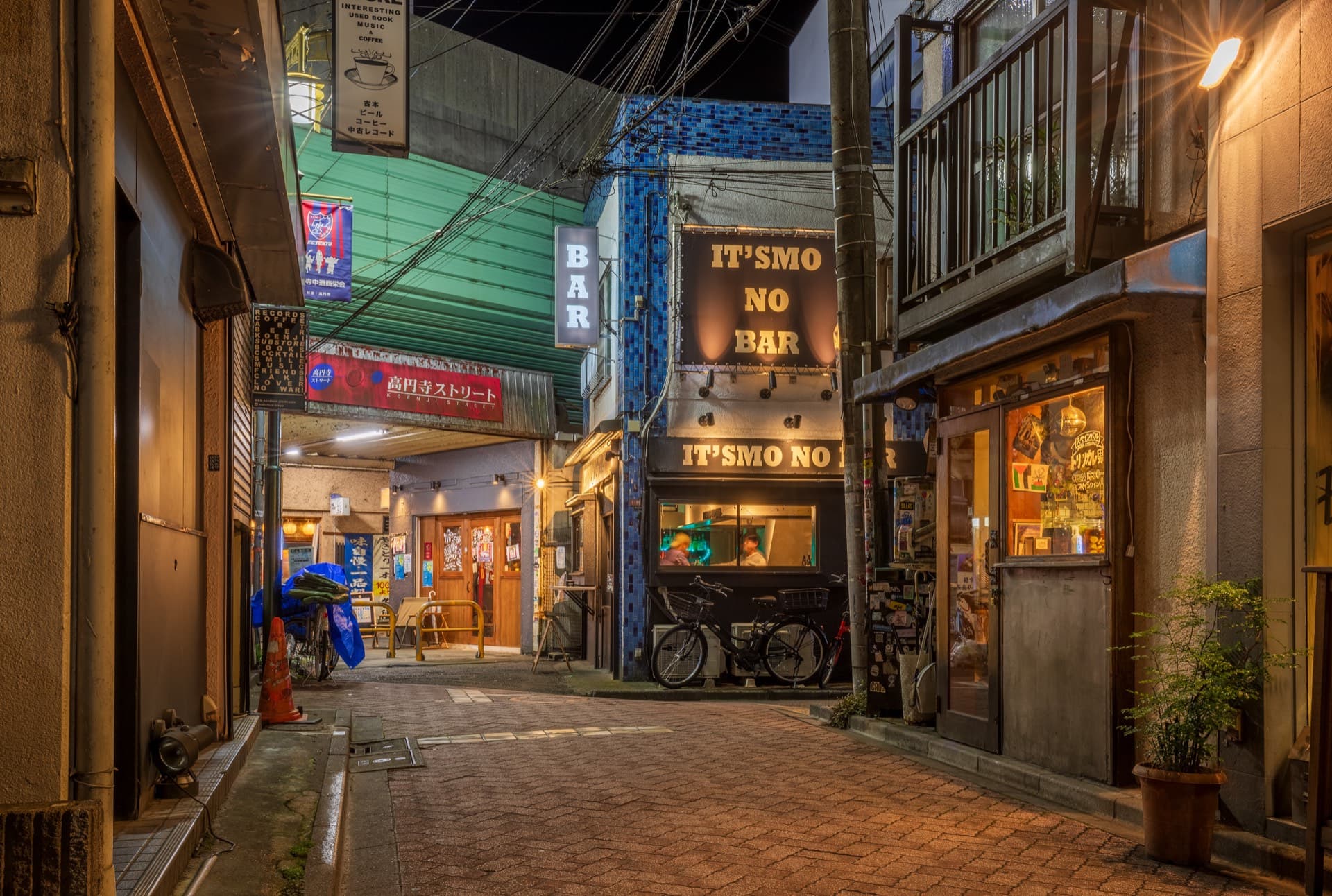
Restaurant No-Shows in Japan: Deposits Should Be the Norm
A 2018 study estimated that restaurant no-shows cost Japan about ¥200 billion a year. A deposit or card guarantee for every diner is the fairest fix.
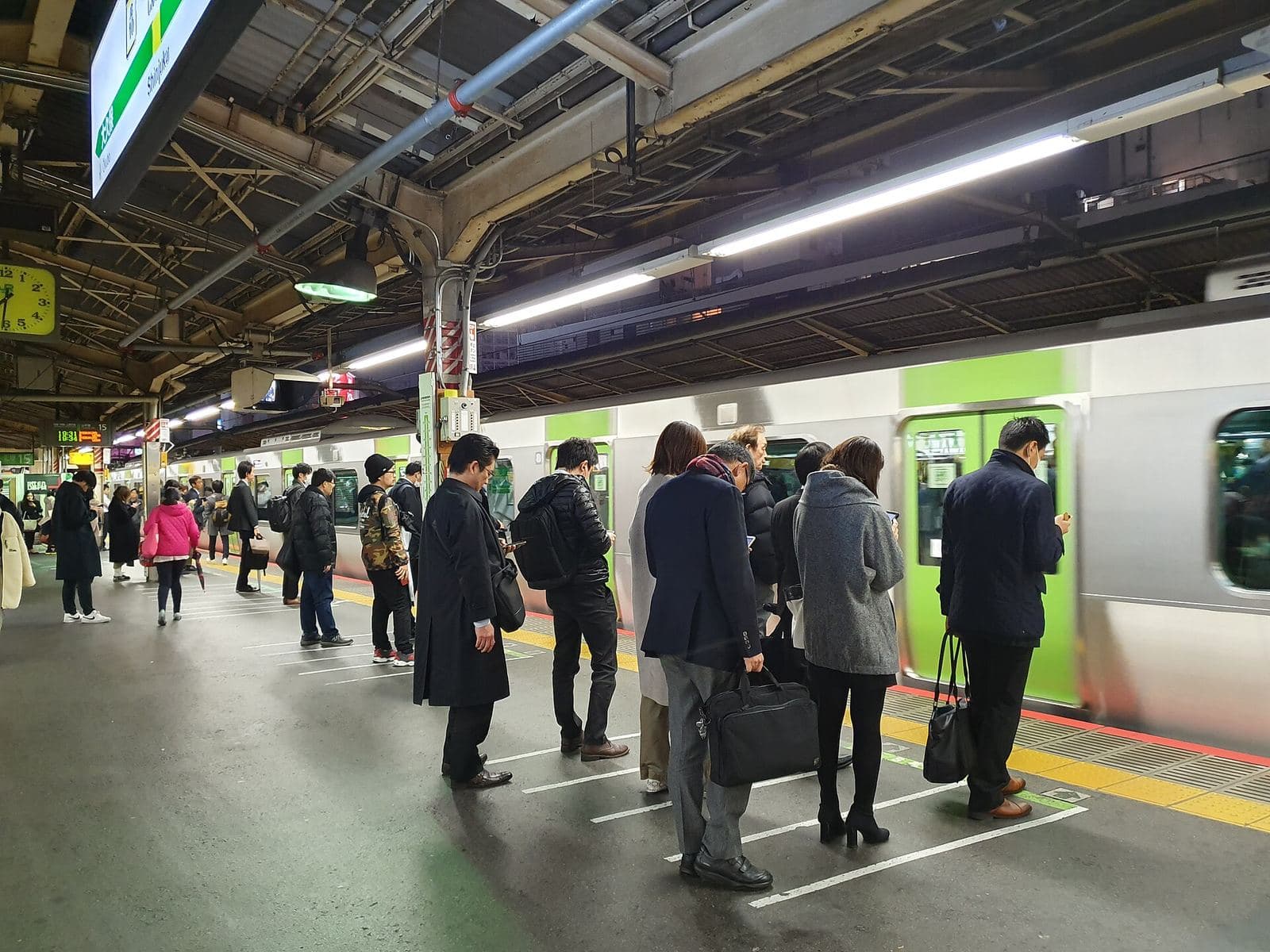
Japan Etiquette Rules: What You Must Know Before You Go (2026)
Japan etiquette rules are not complicated — but breaking them signals disrespect, not ignorance. Here are the ones that actually matter, explained clearly.
How to Order Food in Japan With Little or No Japanese
How to order food in Japan: ticket machines, tablet menus, pointing, allergies, convenience stores, izakaya basics, and phrases that actually help.