
Japan Travel FAQ: Answers to Every Question (2026)
Japan travel FAQ: Do I need a visa? How much cash? Can I use my phone? Is Japan safe? Here are the answers to every Japan travel question you have.

This article contains affiliate links. If you buy through one, we may earn a small commission at no extra cost to you.
Japan travel FAQ: Do you need a visa? Most Western passport holders get 90 days visa-free. How much cash? Carry ¥10,000–20,000 — Japan is still cash-heavy. Can you use your phone? Yes, buy a SIM or eSIM at the airport. Is Japan safe? Yes, remarkably so. Here are answers to every Japan travel question.
Planning & Visas
Do I need a visa for Japan? Citizens of more than 70 countries and regions can enter Japan visa-free for short stays, usually up to 90 days (15 or 30 days for some). US, UK, EU, Australia, Canada, and most Western passport holders do not need a visa for short-term tourism. Check the Japan Ministry of Foreign Affairs for your country.
When is the best time to visit Japan? Spring (March–April) for cherry blossoms. Autumn (November) for fall foliage. Both are crowded and expensive. Winter (December–February) is cold but uncrowded. Summer (June–August) is hot and humid but has festivals. Year-round works — Tokyo and Kyoto are worth it anytime.
How many days do I need in Japan? Minimum: 7 days (4–5 Tokyo, 2–3 Kyoto). Ideal: 10–14 days to add Osaka, Nara, or day trips. Two weeks lets you see Tokyo, Kyoto, and Osaka without rushing.
Do I need travel insurance for Japan? Recommended. Japan's healthcare is excellent but expensive for uninsured visitors. Travel insurance covers medical emergencies, trip cancellations, and lost luggage. Get it before you book.
What is Visit Japan Web and do I need it? It's the official online portal for pre-registering immigration and customs before you fly, letting you skip the paper forms and use fast-track QR lanes on arrival. It's optional but free and takes about 15 minutes — see our full Visit Japan Web walkthrough.
Money & Costs
How much does a Japan trip cost? Budget: ¥8,000–12,000/day (hostels, convenience store meals, local transport). Mid-range: ¥15,000–25,000/day (hotels, restaurants, some taxis). Luxury: ¥40,000+/day. A 10-day mid-range trip: roughly ¥200,000–250,000 per person.
Should I carry cash in Japan? Yes. Japan is still cash-heavy. Many restaurants, especially smaller ones, are cash-only. Carry ¥10,000–20,000. 7-Eleven and Japan Post ATMs accept foreign cards. Credit cards work at hotels, department stores, and many chain restaurants. Full breakdown of where cards work and where you'll need cash in our cash vs card guide.
Do you tip in Japan? No. Tipping is not part of Japanese culture and can confuse or embarrass staff. Service is excellent without tips. Leave the exact amount or round up slightly at most.
What's the currency in Japan? Japanese yen (¥). Exchange rates move, so check a currency app for today's rate. ATMs at 7-Eleven and Japan Post accept international cards. Exchange rates at airports are fair but not the best — use ATMs when possible.
Transport & Getting Around
How do I get from Narita Airport to Tokyo? Three options: (1) the Narita Express (N'EX), ¥3,140 to Tokyo Station or ¥3,330 to Shinjuku (about 55 and 80 minutes); (2) the Keisei Skyliner, ¥2,580 to Ueno, about 40 minutes; (3) regular Keisei trains, around ¥1,000–¥1,300, 70–90 minutes. The N'EX and Skyliner need a reserved-seat ticket; regular Keisei trains take Suica.
How do I get from Haneda Airport to Tokyo? Haneda is closer. The Tokyo Monorail to Hamamatsucho takes about 20 minutes and costs ¥520; the Keikyu Line to Shinagawa takes about 15–20 minutes. Both accept Suica.
What is a Suica card and do I need one? A Suica (or Pasmo) is a rechargeable IC card for trains, subways, buses, and convenience stores. Yes, get one at the airport. It's the single most useful thing you can carry in Japan. Full guide here.
Do I need a JR Pass? Only if you're traveling between multiple cities. For Tokyo-only, a Suica is better. For Tokyo–Kyoto–Osaka over 7+ days, a 7-day JR Pass can save money — but from October 1, 2026 the Ordinary 7-day is ¥53,000. Calculate your routes at the new price. Full break-even math in our JR Pass 2026 guide.
Is the Tokyo train system complicated? It looks it, but Google Maps handles it. Input your destination, select transit, follow the instructions. The system is excellent. Get a Suica and tap in and out. You'll figure it out in a day.
Phones, Internet & Connectivity
Can I use my phone in Japan? Yes. Options: (1) Buy a SIM or eSIM at the airport (Narita, Haneda). (2) Rent a pocket WiFi. (3) Check if your carrier offers Japan roaming. eSIMs are convenient — download before you fly (try Airalo or Saily for the cheapest short-trip plans), activate on arrival. Full walkthrough in our step-by-step eSIM setup guide; if it won't connect on landing, see common eSIM fixes.
Does Google Maps work in Japan? Yes. It's excellent for trains, walking, and general navigation. Download offline maps for Tokyo and Kyoto before you arrive in case of patchy data.
Safety & Etiquette
Is Japan safe for travelers? Yes. Japan has very low crime rates. Solo female travelers generally feel safe. The main concerns are natural disasters (earthquakes, typhoons) — know your hotel's evacuation route. Pickpocketing is rare but possible in crowded tourist areas.
What are the main etiquette rules in Japan? Don't tip. Take off shoes where you see others doing so. No phone calls on trains. No eating while walking (except at festivals). Bow when greeted. Keep your voice down in public. Don't photograph people without permission.
Can I use my credit card everywhere? No. Many restaurants, especially smaller and traditional ones, are cash-only. Hotels, department stores, and chain restaurants usually accept cards. Always carry cash as backup.
Food & Dining
Do I need to speak Japanese to eat in Japan? No. Many restaurants have picture menus, plastic food displays, or English menus in tourist areas. Pointing works. Learn "onegaishimasu" (please) and "arigatou gozaimasu" (thank you). Basic phrases guide helps.
Is it rude to eat alone in Japan? No. Solo dining is normal. Ramen shops, conveyor belt sushi, and many restaurants accommodate solo diners. Some places have counter seating designed for it.
What about dietary restrictions? Vegetarian and vegan options exist but require effort. Many broths contain fish (dashi). Use "vegan restaurant Tokyo" searches. Chain restaurants like Saizeriya have allergen info. Learn to say "niku nashi" (no meat) or "sakana nashi" (no fish) if needed.
Accommodation
Where should I stay in Tokyo? Shinjuku or Shibuya for transit access and first-time visitors. Shimokitazawa or Nakameguro for character and a different vibe. Full neighborhood comparison.
Are capsule hotels worth it? For a night or two, yes — they're a uniquely Japanese experience. For a full trip, they can feel cramped. Good for budget travelers and late-night arrivals when you don't want to pay for a full hotel night. Full breakdown of cost, etiquette, and which chains to book in our capsule hotel guide.
Do I have to pay an accommodation tax on top of my hotel bill? Yes, in most major cities — it's a small per-person, per-night fee, often collected in cash at check-in rather than charged to your card. See our 2026 accommodation tax by city for exact rates.
Do I need to book accommodation in advance? For cherry blossom (late March–April) and autumn (November) season, yes — months ahead. For other times, 2–4 weeks is usually fine. Popular ryokan in Kyoto sell out early.
FAQ
What should I do in Japan? Visit Tokyo, eat ramen and sushi, go to an izakaya, visit a konbini, take the shinkansen to Kyoto, try an onsen. Full guide.
What should I do in Tokyo? Eat ramen, explore izakayas, visit a konbini, walk Shimokitazawa or Nakameguro, hit a jazz bar. Full guide.
Is Kyoto worth visiting? Yes. It's different from Tokyo — temples, traditional streets, kaiseki cuisine. 2–3 days minimum. Kyoto vs Tokyo comparison.
How do I get a Suica card? Visitors can buy a Welcome Suica (no deposit, valid 28 days) at the JR East Travel Service Centers at Narita and Haneda airports, or a standard Suica or PASMO (¥500 refundable deposit) from station machines. You can also add Suica to an iPhone or compatible Android phone. Step-by-step guide.
What is a konbini? A Japanese convenience store (7-Eleven, Lawson, FamilyMart) — 24/7 shops that sell food, drinks, tickets, and services. Full guide.
What is an izakaya? A Japanese pub — order drinks and small plates, share with friends. Casual, no reservations needed at most. How to izakaya.
What is an onsen? A Japanese hot spring bath. Know the etiquette: wash before entering, no swimsuits, no tattoos at some places. Full guide.
Travel Desk
The Standard Japan
Trip planning: seasons and crowds, getting around, airports, where to stay, and the practical steps before and after you land.
Facts are taken from primary sources (operators, venues, official tourism and government pages) and dates and prices are checked on the day of writing. Pages are revised when those sources change.
Expertise
Seasonal crowds, transport and airports, itineraries, lodging, pre-trip logistics
Have a question or a correction?
Ask us anything about Japan Travel FAQ: Answers to Every Question (2026), or tell us what we got wrong. We reply within 24 to 48 hours.
Related Stories
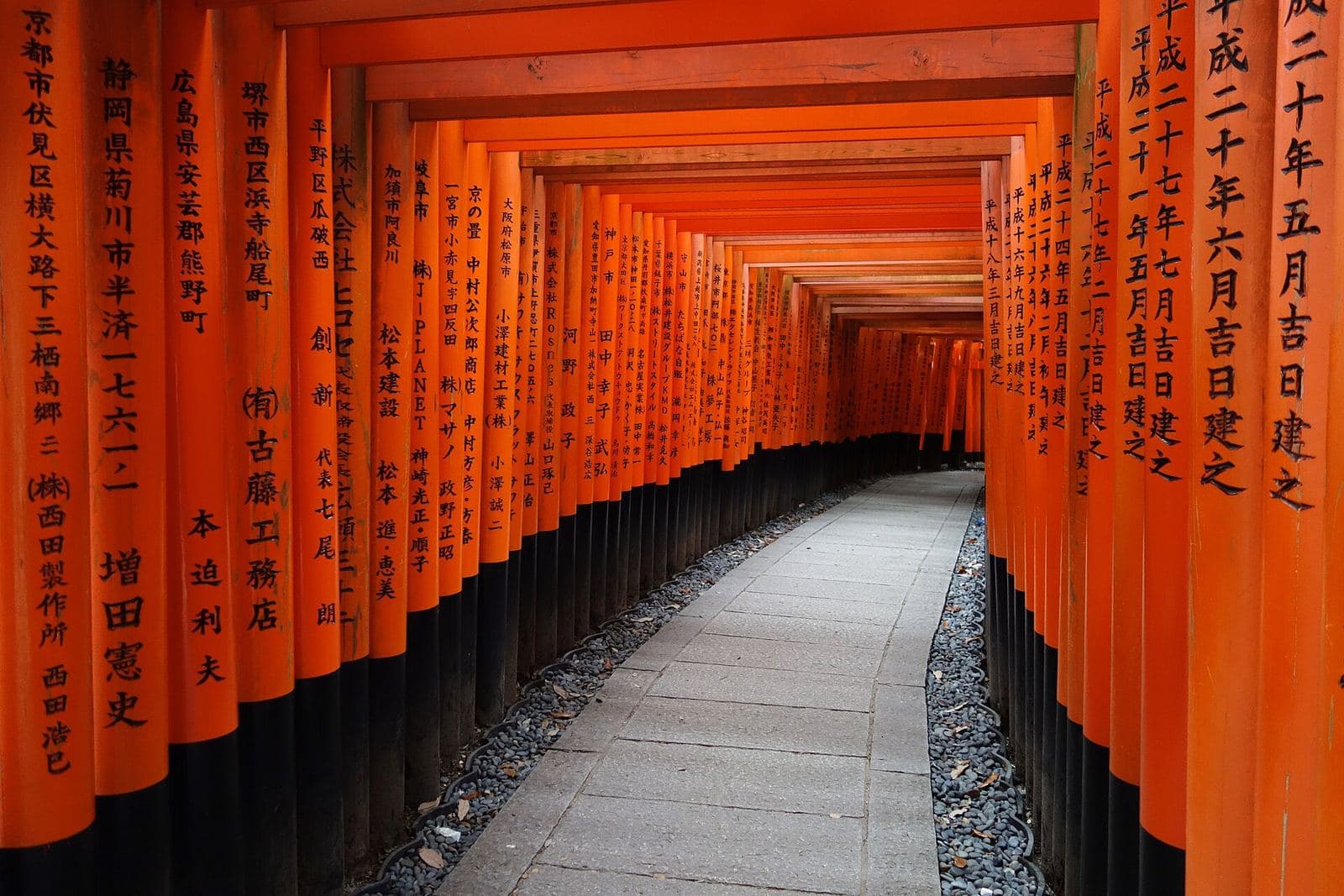
What to Do in Japan: First-Time Visitor Guide (2026)
Tokyo, Kyoto, ramen, izakaya, onsen, and the Suica card that makes all of it easier — the real first-time Japan checklist, with specifics instead of vague categories.
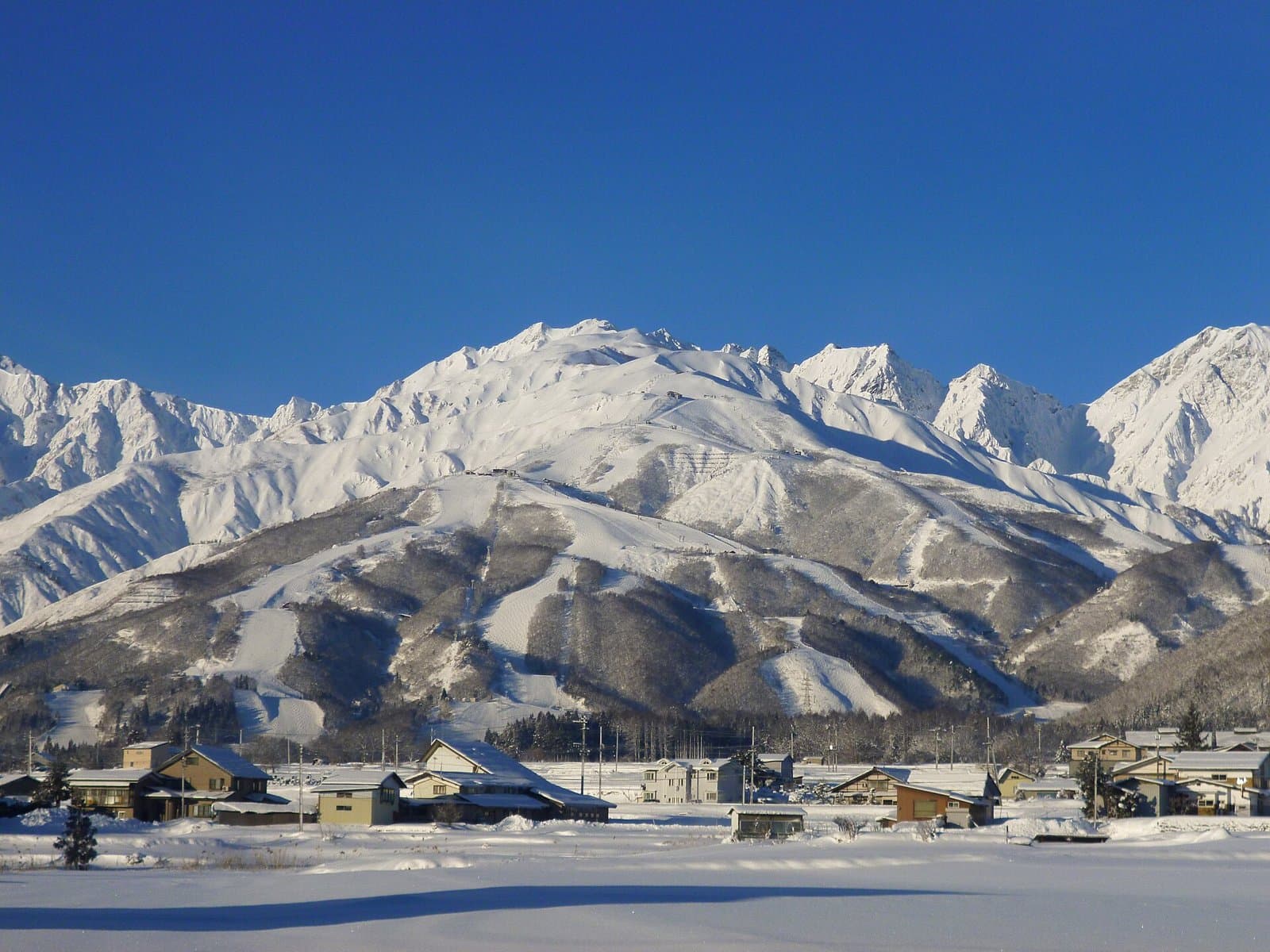
Niseko vs Hakuba vs Nozawa Onsen: Which to Ski? (2026–27)
Niseko, Hakuba or Nozawa Onsen? Niseko is the easy first trip but costs most; Hakuba is bigger and cheaper; Nozawa is a real onsen village. 2026–27 prices.
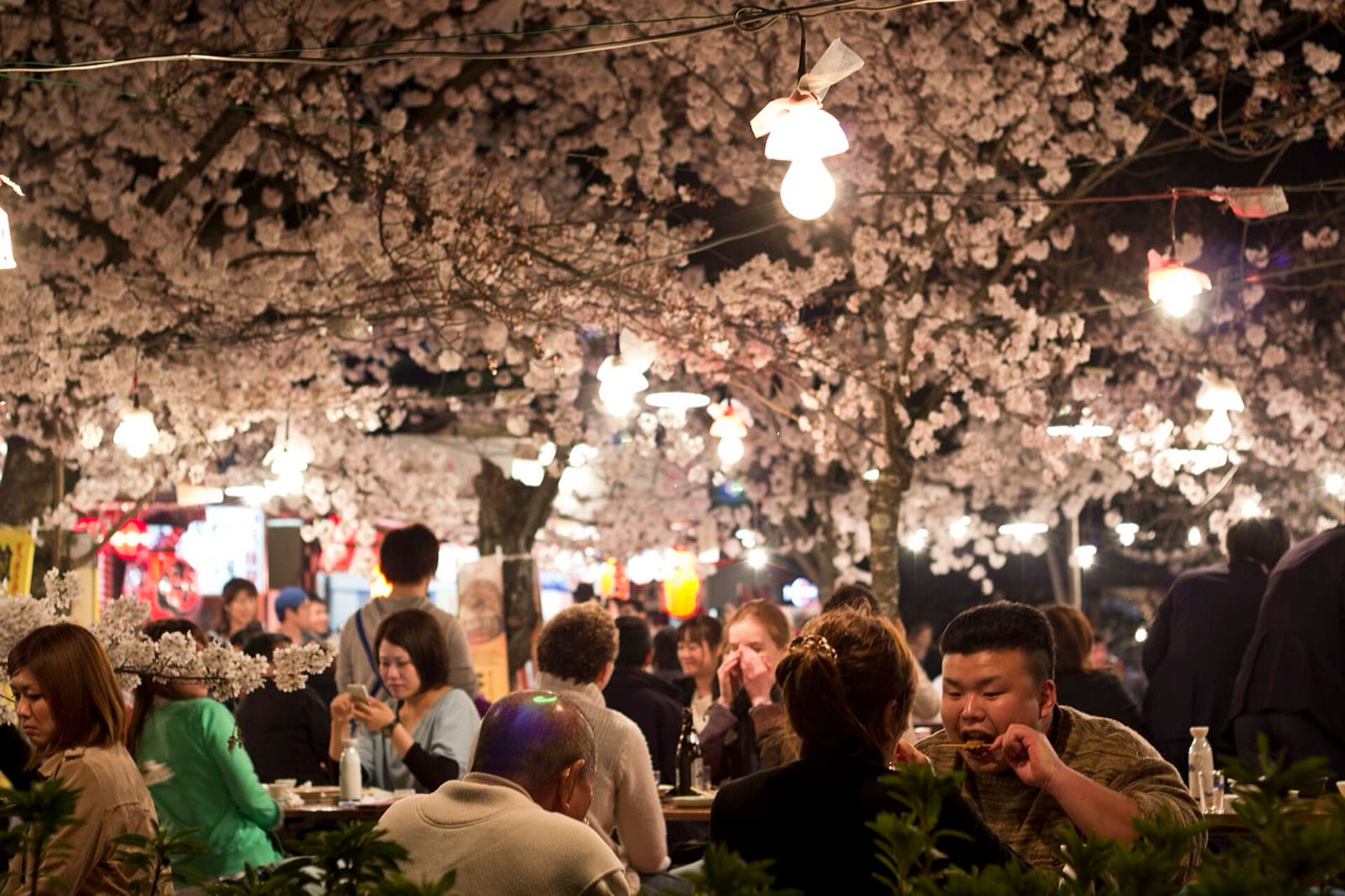
Skip Cherry Blossom Season on Your First Trip to Japan
Tokyo's full bloom has landed anywhere from 22 March to 4 April in the last four years. Booking a first trip months ahead around that window is a bad bet.