
What to Do in Japan: First-Time Visitor Guide (2026)
Tokyo, Kyoto, ramen, izakaya, onsen, and the Suica card that makes all of it easier — the real first-time Japan checklist, with specifics instead of vague categories.

Visit Tokyo, eat ramen and sushi, go to an izakaya, take the Shinkansen to Kyoto, try an onsen. That's the shape of almost every first Japan trip — but the difference between a good version of that trip and a flat one is specificity: which ramen shop, which Kyoto temple, when to go. Here's the real version.
The Top 10
1. Get a Suica or Pasmo IC card on arrival — Before anything else. Both work identically on trains, buses, and at convenience stores nationwide; buy one at a machine or counter in the airport and load ¥3,000-5,000 to start. See the full IC card guide for mobile-wallet setup if you'd rather skip the physical card.
2. Spend 5-7 days in Tokyo — Tokyo is the gateway and rewards depth over a checklist: pick 2-3 neighborhoods a day rather than trying to see all of it. Start with our what to do in Tokyo guide for 25 specific things worth your time.
3. Eat ramen at a shop with a line of locals, not a chain — Fuunji (tsukemen) and Afuri (yuzu shio) are reliable starting points if you don't know where to look. Full picks: best ramen in Tokyo.
4. Go to an izakaya and stay two hours — Order drinks first, share small plates, don't rush the meal. How izakaya culture actually works.
5. Take the Shinkansen to Kyoto — About 2 hours 15 minutes on the Nozomi from Tokyo Station, roughly ¥14,000 one-way for an unreserved seat. Before buying a JR Pass for this trip, do the math — see is the JR Pass worth it; for a Tokyo-and-Kyoto-only itinerary, it often isn't.
6. Spend 2-3 days in Kyoto — Fushimi Inari's torii-gate paths (arrive by 7am to beat the tour buses) and Arashiyama's bamboo grove are the two sights worth planning your morning around. Full guide: Kyoto travel guide.
7. Try an onsen at least once — A day-trip onsen from Tokyo (Hakone is the standard choice) or a proper ryokan stay in Kyoto or Hakone. Know the etiquette first — the onsen etiquette guide covers washing-before-bathing and the tattoo situation.
8. Eat sushi at a standing bar, not just the famous counters — Faster, cheaper, and often just as good as the reservation-only names you've heard of. Best sushi in Tokyo.
9. Walk a neighborhood that isn't in the guidebooks — Shimokitazawa (vintage shops, live houses) or Nakameguro (canal-side cafes) show a slower, more residential Tokyo than Shibuya or Shinjuku.
10. Visit a convenience store like it's a destination, not a fallback — 7-Eleven, Lawson, and FamilyMart double as ATMs (7-Eleven's accepts foreign cards reliably), hot-food counters, and ticket machines. It's worth one deliberate visit just to see what's on the shelves. What makes konbini different.
Tokyo vs. Kyoto
Tokyo — Modern, dense, built around food and nightlife as much as sights. Rewards a longer stay and a neighborhood-by-neighborhood approach.
Kyoto — Temples, traditional streets, a slower pace — and more crowded at its famous sites than most people expect. Early mornings matter more here than in Tokyo.
Together — 5-7 days in Tokyo, 2-3 in Kyoto, connected by a single Shinkansen ride, is the standard and still-solid first-timer split. See our 7-day and 2-week itineraries for day-by-day versions of this.
Practical Notes Beyond the List Above
Cash still matters outside major cities — IC cards and credit cards cover most of Tokyo and Kyoto now, but carry some cash (see the cash and credit card guide) for smaller shops, temples, and rural areas.
Learn two phrases — "Sumimasen" (excuse me / to get attention) and "Arigatou" (thank you) go further than you'd expect, even if you stop there.
Tipping isn't expected and can be awkward — Leaving money on the table is more likely to cause confusion than gratitude. See the tipping guide for the rare exceptions.
Google Maps handles trains fine — For Shinkansen reservations and JR Pass logistics specifically, the JR apps and station ticket counters are more reliable.
What to Skip
Robot Restaurant — Expensive, loud, and not representative of anything else on this list.
Major temples at midday — Fushimi Inari, Kinkaku-ji, and Senso-ji are all dramatically less crowded early morning or in the evening.
Trying to do too much — Japan rewards depth. A 10-day trip covering 5 cities usually means less real time in any of them than a 10-day trip covering 2.
Assuming you need Japanese — You don't. Pointing at a menu, a ticket machine, or a photo works in the vast majority of situations.
FAQ
What should I do first in Japan? Get a Suica or Pasmo card at the airport, then visit a convenience store — get onigiri, use the ATM, see what Japanese retail looks like. That covers your first hour before you've even checked into a hotel.
What are the best things to do in Japan? For a first trip: Tokyo (5-7 days), the Shinkansen to Kyoto (2-3 days), ramen and sushi eaten at neighborhood spots rather than famous ones, an izakaya night, and at least one onsen. See the full what to do in Tokyo list for Tokyo specifically.
How many days do I need in Japan? Minimum 7 days for a Tokyo-and-Kyoto trip without feeling rushed. 10-14 days is ideal if you want to add a day trip (Hakone, Nara, Nikko) or a third city like Osaka.
Do I need to speak Japanese? No. Basic phrases help, and pointing works for almost everything else. Tokyo and Kyoto are both used to English-speaking visitors.
What is the best food in Japan? There's no single answer, but ramen, sushi, izakaya small plates, and konbini onigiri cover the range from casual to more considered eating. Start with ramen — it's the most forgiving to get right on a first try.
Is Japan expensive? Tokyo can be, but doesn't have to be. A bowl of ramen runs ¥800-1,200, an izakaya dinner ¥3,000-5,000 per person, and konbini meals under ¥1,000. Budget roughly ¥5,000-10,000 per day for food depending on how much you eat at sit-down restaurants versus casual spots — see the full trip cost breakdown for accommodation and transport on top of that.
Need Help with This?
Have questions about What to Do in Japan: First-Time Visitor Guide (2026)? We're here to help. Send us a message and we'll get back to you within 24-48 hours.

Alex Rivera
Travel & Living Editor
Expat guide. Helps people actually move to and navigate Japan.
Moved from London to Tokyo in 2018. Went through the full gaijin experience—visa, housing, banking, the works. Now writes the guide he wished he had.
Tokyo
Expertise
Moving to Tokyo, expat life, travel, Kyoto vs Tokyo, onsen
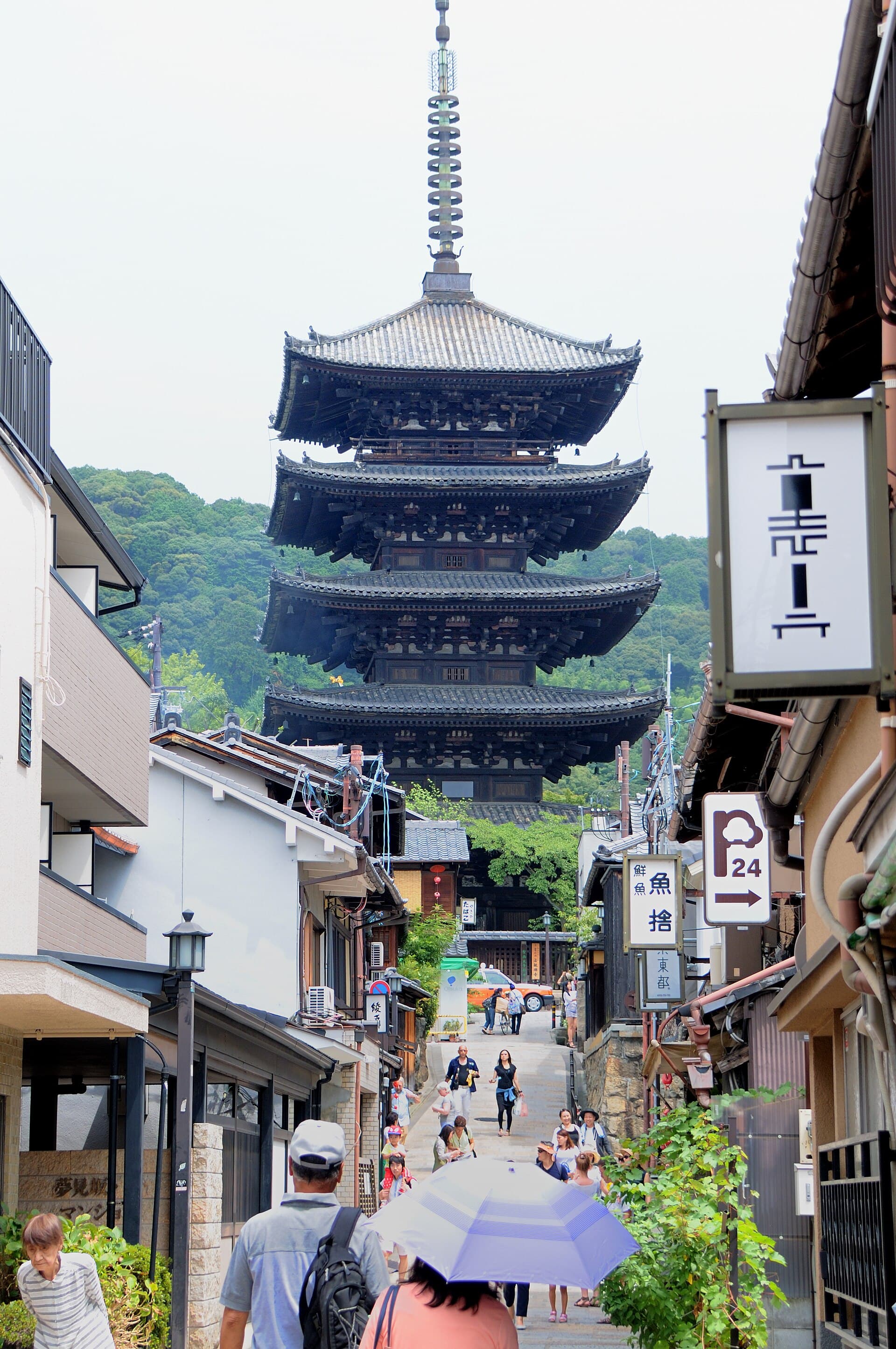
The Standard Newsletter
Tokyo in your inbox. Weekly.
No algorithms curating your culture. No sponsored content disguised as journalism. Just the real Tokyo — the izakayas at 2am, the Harajuku kids who never made it to the algorithm, the ramen shop with no sign.
8K+
Subscribers
Weekly
Editions
Free
Always
Join the underground.
One email a week. Unsubscribe anytime.
No spam. No sharing your data. Tokyo only.
Related Stories
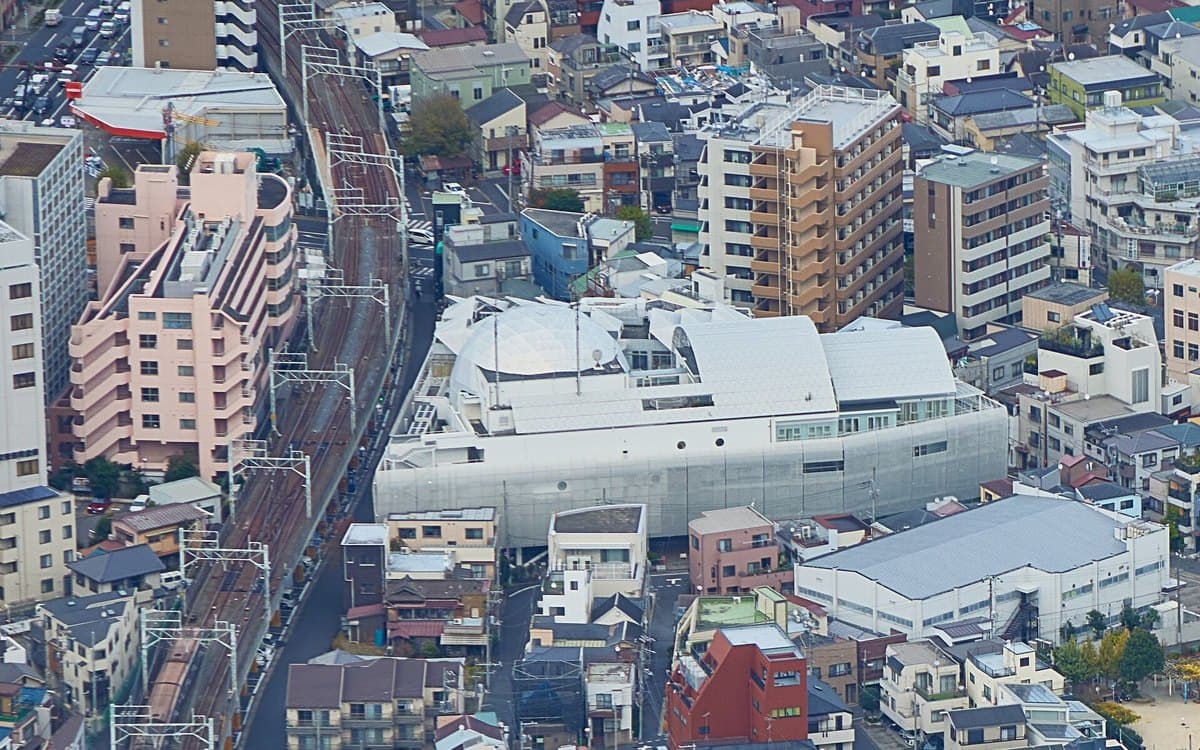
Asakusa Guide: Senso-ji, Skytree, and Old Tokyo Done Right
Asakusa guide for first-timers: Senso-ji early, Nakamise without the crush, Skytree timing, Kappabashi, and when a short tour beats wandering alone.
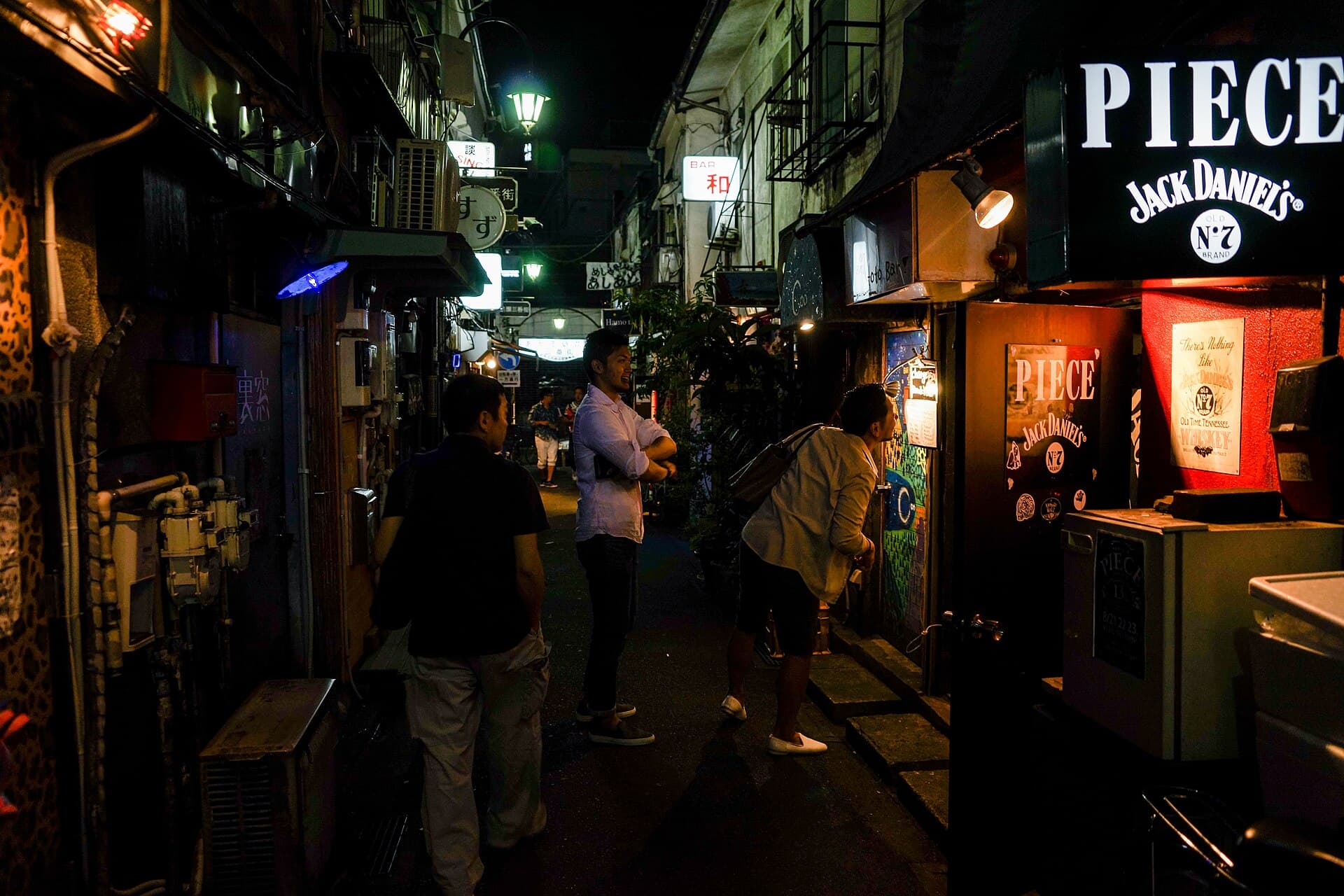
Shinjuku Guide: What to Do in Tokyo’s Chaos District
Shinjuku guide: west exit chaos, Golden Gai, Omoide Yokocho, Gyoen, observatories, and the food-and-bar nights worth booking — without getting lost for hours.

Tokyo at Night: 14 Things to Do After Dark
Tokyo at night done right — Golden Gai, izakaya, jazz bars, observation decks, bar crawls, and last-train strategy without the tourist-trap detours.