
Summer in Japan 2026: When It Is, Heat, and What to Do
Summer in Japan runs June–August (hottest in July–Aug). Festivals, fireworks, what to wear, and Hokkaido escapes when Tokyo hits 35°C.
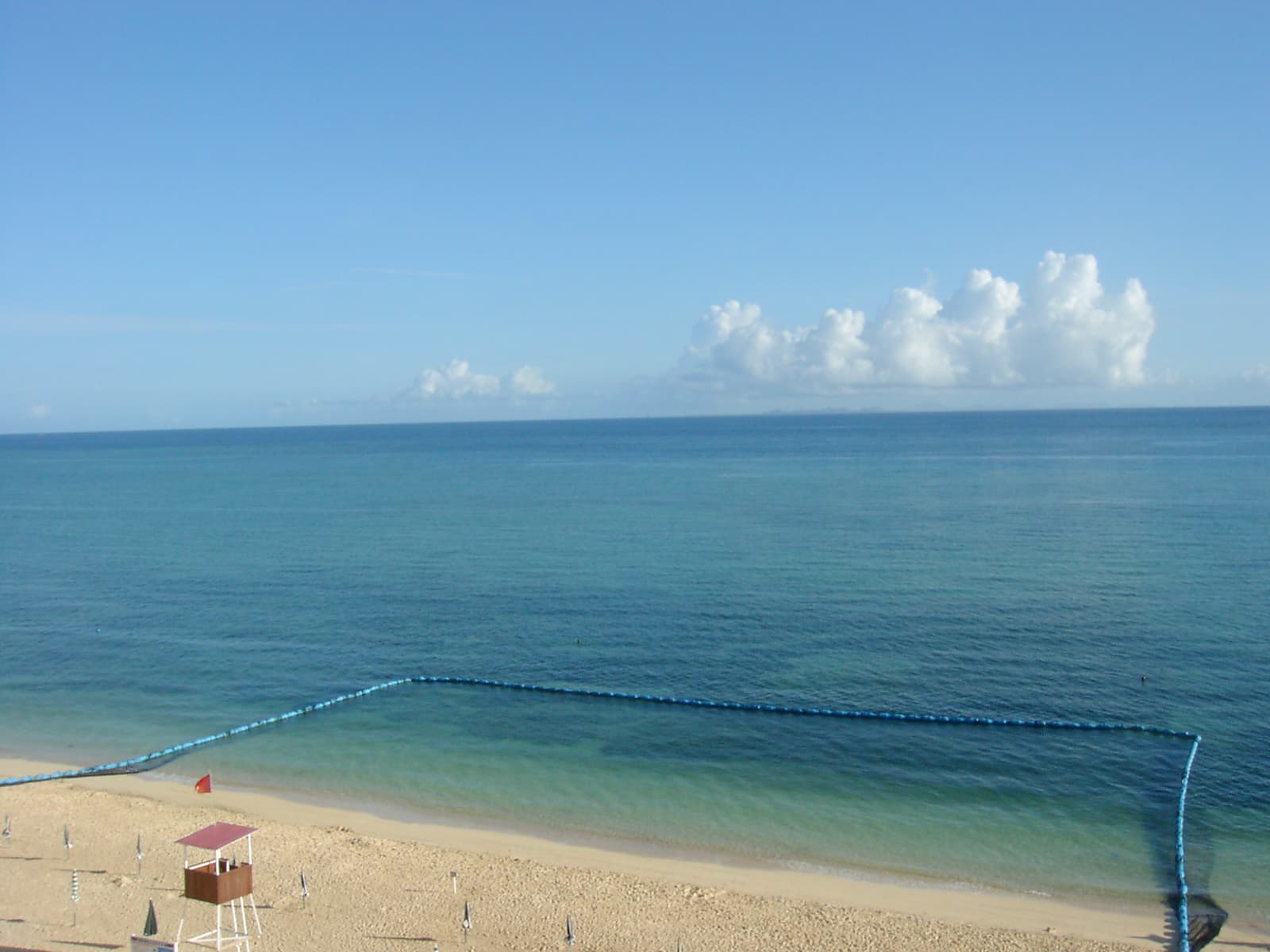
Summer in Japan 2026 runs June through August — hot, humid, and culturally the loudest season of the year. Tokyo and Osaka regularly hit 33–38°C with brutal humidity; Okinawa and the coasts add typhoon risk from July. But summer is also when Japan throws its best parties: fireworks over rivers, neighborhood matsuri, Bon dances, and beer gardens on rooftops.
Best summer strategy: Mornings outdoors, air-conditioned afternoons, festivals at night. Escape north to Hokkaido or highlands if heat is a dealbreaker. Pair with rainy season guide, fireworks festivals, and year-round best time to visit.

Summer Weather by Region (2026)
| Region | Jun High/Low (°C) | Aug High/Low (°C) | Humidity | Notes |
|---|---|---|---|---|
| Tokyo | 26 / 19 | 33 / 26 | Very high | Urban heat island |
| Kyoto/Osaka | 28 / 19 | 35 / 25 | Very high | Hotter than Tokyo feel |
| Okinawa | 29 / 25 | 32 / 27 | High | Typhoons Jul–Sep |
| Hokkaido | 22 / 13 | 26 / 18 | Moderate | Best escape |
| Japanese Alps | 20 / 10 | 25 / 15 | Lower | Kamikochi, Tateyama |
| Tohoku coast | 22 / 15 | 28 / 21 | Moderate | Festivals, cooler nights |
Rainy season (tsuyu): Roughly early June–mid July in Tokyo/Kyoto; ends earlier in Okinawa, later in Hokkaido (barely exists). Full breakdown: Japan rainy season guide.
Typhoons: Peak August–September. Flights and trains can cancel; build 1–2 buffer days if traveling coasts in late summer.
Why Visit Japan in Summer

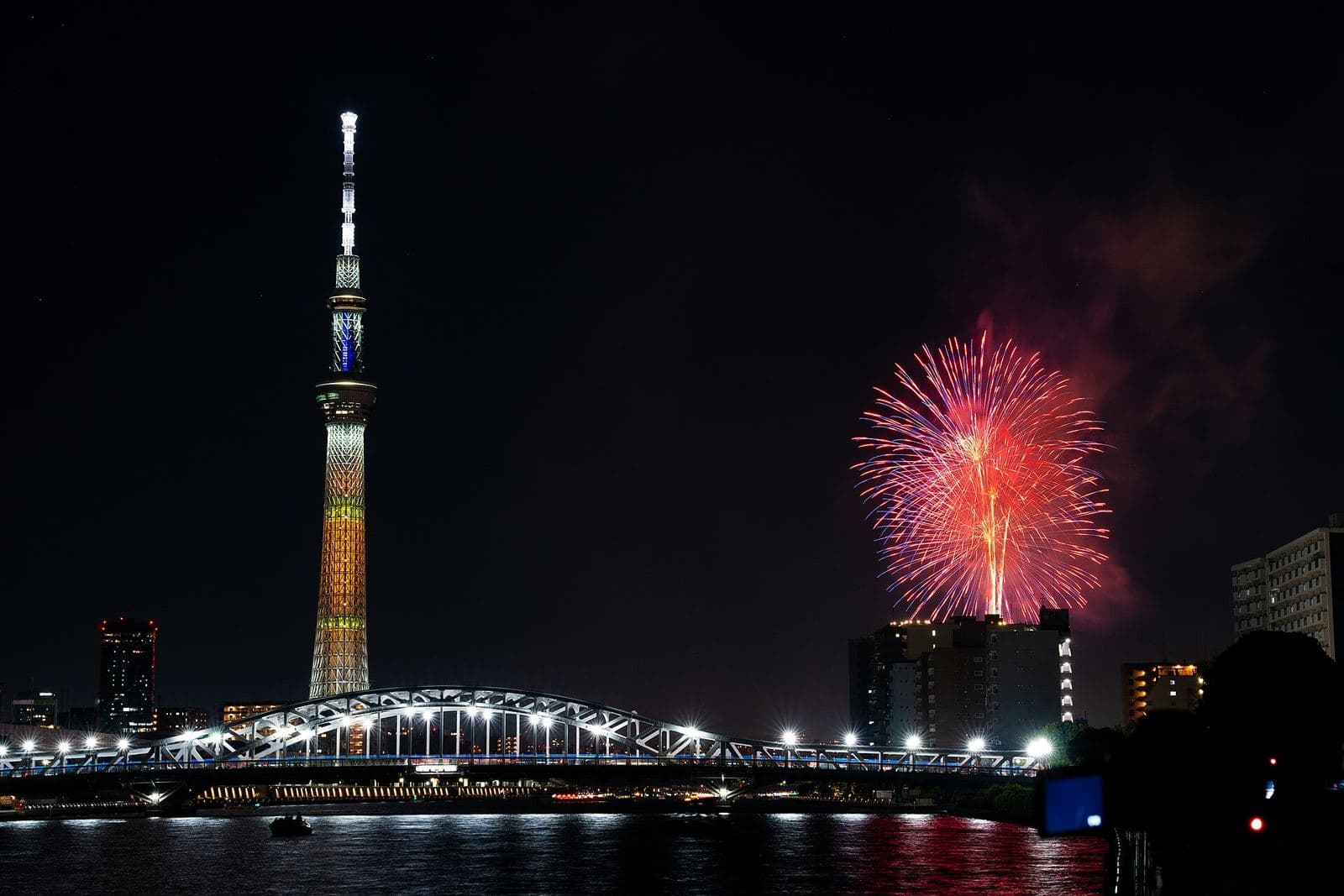
Festivals and fireworks — July and August are matsuri season. The fireworks guide lists the major hanabi events; neighborhood festivals need no ticket.
Fewer international tourists than spring — Cherry blossom peak is busier. Summer scares some visitors off — that's opportunity if you handle heat.
Hokkaido at its best — Lavender (Furano, July), fresh seafood, mild hiking weather. Sapporo and Niseko without ski crowds.
Beach and island access — Enoshima, Okinawa, Seto Inland Sea islands. See day trips from Tokyo.
Summer food — Kakigori (shaved ice), cold soba, somen, unagi (eel day in July), beer gardens. Japanese food guide.
Not ideal for: First-time temple marathons in Kyoto at noon, marathon sightseeing without AC breaks, or travelers who hate humidity.
Month-by-Month Summer Guide
June: Rainy Season (Tsuyu)
- Weather: 20–28°C, frequent rain, not as hot as August
- Pros: Lower hotel prices, lush gardens, fewer crowds at temples
- Cons: Grey skies, humidity without festival payoff yet
- Do: Museums, konbini exploration, covered shopping streets
- Guide: Rainy season Japan
July: Festivals Ignite
- Weather: Heat ramps up; end of tsuyu in Tokyo
- Highlights: Kyoto Gion Matsuri (whole month, peak July 17), Tenjin Matsuri Osaka, early fireworks
- Fuji: Often visible after rain clears — haze returns in August
August: Peak Heat, Peak Culture
- Weather: Hottest month; Obon week (mid-Aug) shifts domestic travel
- Highlights: Awa Odori (Tokushima), massive fireworks, Bon dances nationwide
- Tip: Many locals leave cities during Obon — Tokyo can feel oddly empty in offices but busy at resorts
Best Summer Destinations
Hokkaido (Sapporo, Furano, Otaru, Niseko)

Japan's summer escape. Furano lavender peaks mid-July. Sapporo beer gardens and seafood. Otaru canal without winter snow still charms. Niseko hiking and rafting replace skiing.
Book farm tours and rental cars early for July weekends.
Japanese Alps and Highlands
Kamikochi (open roughly mid-April–mid-November) — river valley hiking, cool air, day trips from Matsumoto.
Tateyama-Kurobe Alpine Route — snow walls in spring; summer is green alpine scenery.
Karuizawa — Nagano highland town, outlet shopping, 10°C cooler than Tokyo. Easy from Tokyo Station.
Tohoku (Sendai, Aomori, Akita)
Sendai Tanabata (August 6–8) — enormous streamer decorations.
Aomori Nebuta (August 2–7) — illuminated floats, peak matsuri energy.
Fewer international tourists than Kanto/Kansai; strong regional food.
Tokyo (City Summer)
Not a beach city, but summer works with rhythm:
- Mornings: Meiji Jingu, temples, Shimokitazawa before heat
- Midday: Museums, department stores, coffee shops
- Evenings: Fireworks, river terraces, Golden Gai with AC
- Day trips: Hakone (slightly cooler), Enoshima beach
Okinawa and Southern Islands
Warm water, coral, Ishigaki and Miyako for diving. Typhoon watch — flexible flights, travel insurance. Ishigaki 30°C+ water; different culture from mainland.
Kyoto and Osaka in Summer
Possible but punishing at midday. Strategy: 6am temple visits, siesta 11–4, Gion at dusk. Gion Matsuri is worth the heat for culture obsessives. Compare Kyoto vs Tokyo and Kyoto travel guide.
Beating the Heat (Practical 2026)
| Tactic | Impact |
|---|---|
| 7–10am outdoor sightseeing | High |
| Portable fan + towel | High — sold everywhere |
| Electrolyte drinks (Pocari, Aquarius) | High |
| Light linen layers | Medium |
| Hat and SPF | High — sun is serious |
| IC card + metro | Avoid walking in heat between spots |
| Konbini cold towels | Cheap cooling hack |
Train etiquette: AC is strong — carry a light layer. See train etiquette.
Onsen in summer: Less romantic than winter but fewer crowds; onsen etiquette still applies.
Summer Costs and Crowds
| Period | Crowds | Prices |
|---|---|---|
| June (tsuyu) | Low–moderate | Lower hotels |
| Late July fireworks | High event nights | Spikes near venues |
| Obon (mid-Aug) | Domestic travel peak | Resorts/bookings up |
| Late August | Moderate | Slight drop before autumn |
Budget: Japan budget travel 2026. Costs: trip cost guide.
What to Pack for Japan Summer
- Breathable clothes — Uniqlo Airism if you underpack
- Compact umbrella — June rains + sudden downpours
- Water bottle — Refill stations common
- Insect repellent — Parks and rural areas
- Formal light layer — Some restaurants ban sandals/shorts
- Waterproof pouch — For festivals and boat rides
Related Guides
- Spring → Cherry blossom 2026
- Autumn → Autumn foliage
- Winter → Winter Japan
- Culture → Etiquette, Omotenashi
- Planning → 2-week itinerary, travel FAQ
FAQ
Is summer a good time to visit Japan? Yes if you prioritize festivals, accept heat, and plan mornings/evenings. No if you hate humidity — choose Hokkaido or shoulder seasons instead.
How hot is Japan in summer 2026? Tokyo/Osaka often 33–38°C in August with high humidity. Hokkaido stays 22–26°C.
When is rainy season in Japan? Typically early June to mid-July in Tokyo and Kyoto. See rainy season guide.
Is Japan crowded in summer? Less than cherry blossom for international tourists; Obon (mid-August) spikes domestic travel to hometowns and resorts.
Where should I go in Japan to avoid summer heat? Hokkaido, Japanese Alps (Kamikochi, Karuizawa), and Tohoku highlands.
What should I wear in Japan in summer? Light breathable fabrics; modest coverage for temples; comfortable walking shoes.
Are there typhoons in Japan in summer? Peak risk July–September, especially Okinawa and southern coasts. Monitor forecasts and keep flexible plans.
Travel Desk
The Standard Japan
Trip planning: seasons and crowds, getting around, airports, where to stay, and the practical steps before and after you land.
Facts are taken from primary sources (operators, venues, official tourism and government pages) and dates and prices are checked on the day of writing. Pages are revised when those sources change.
Expertise
Seasonal crowds, transport and airports, itineraries, lodging, pre-trip logistics
Have a question or a correction?
Ask us anything about Summer in Japan 2026: When It Is, Heat, and What to Do, or tell us what we got wrong. We reply within 24 to 48 hours.
Related Stories
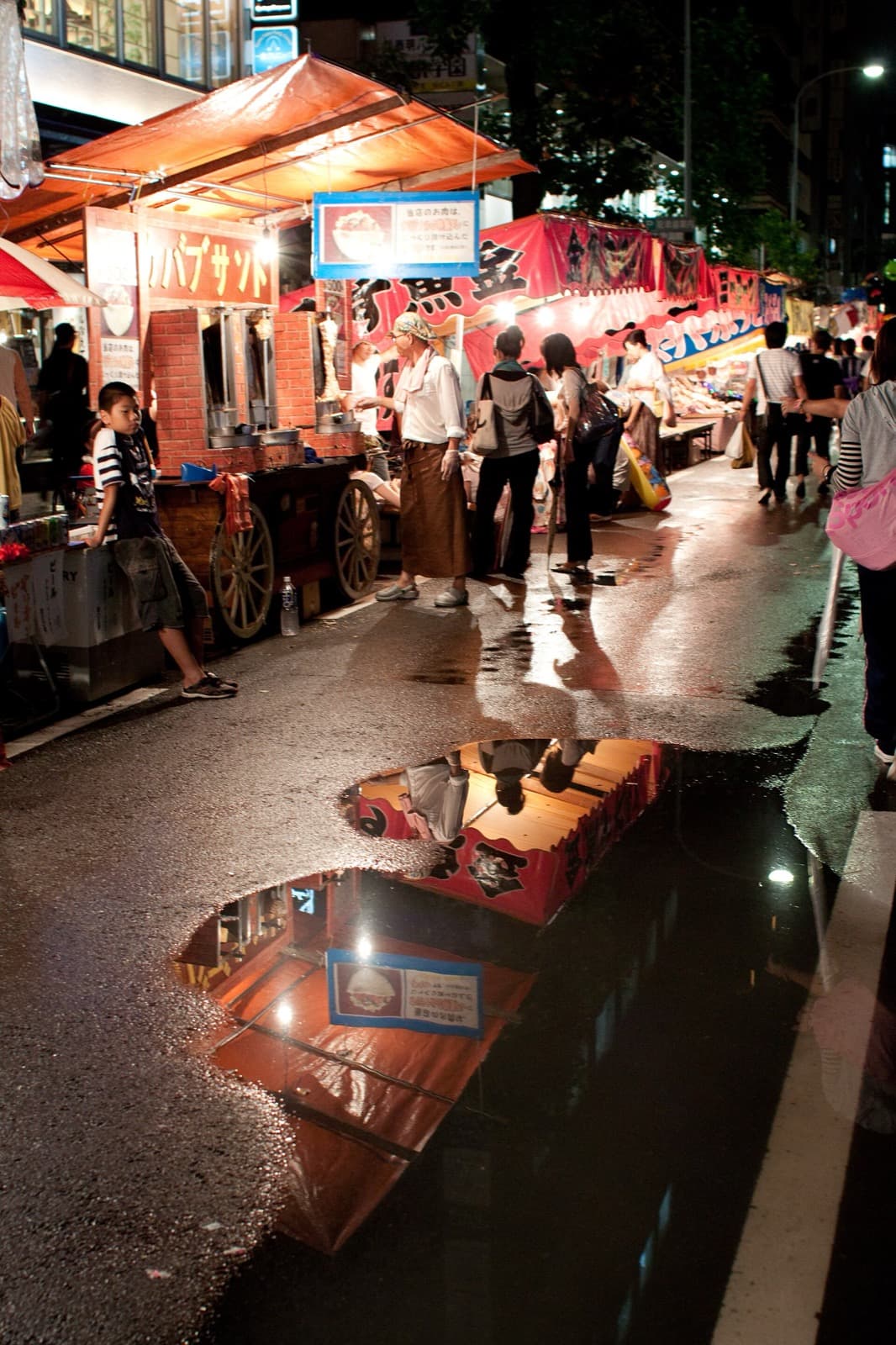
Japanese Festivals Calendar 2026: Matsuri and Fireworks by Month
Japan's main festivals and fireworks in 2026, month by month. Still ahead: Nagasaki Kunchi, Takayama, Jidai Matsuri and the Chichibu Night Festival.
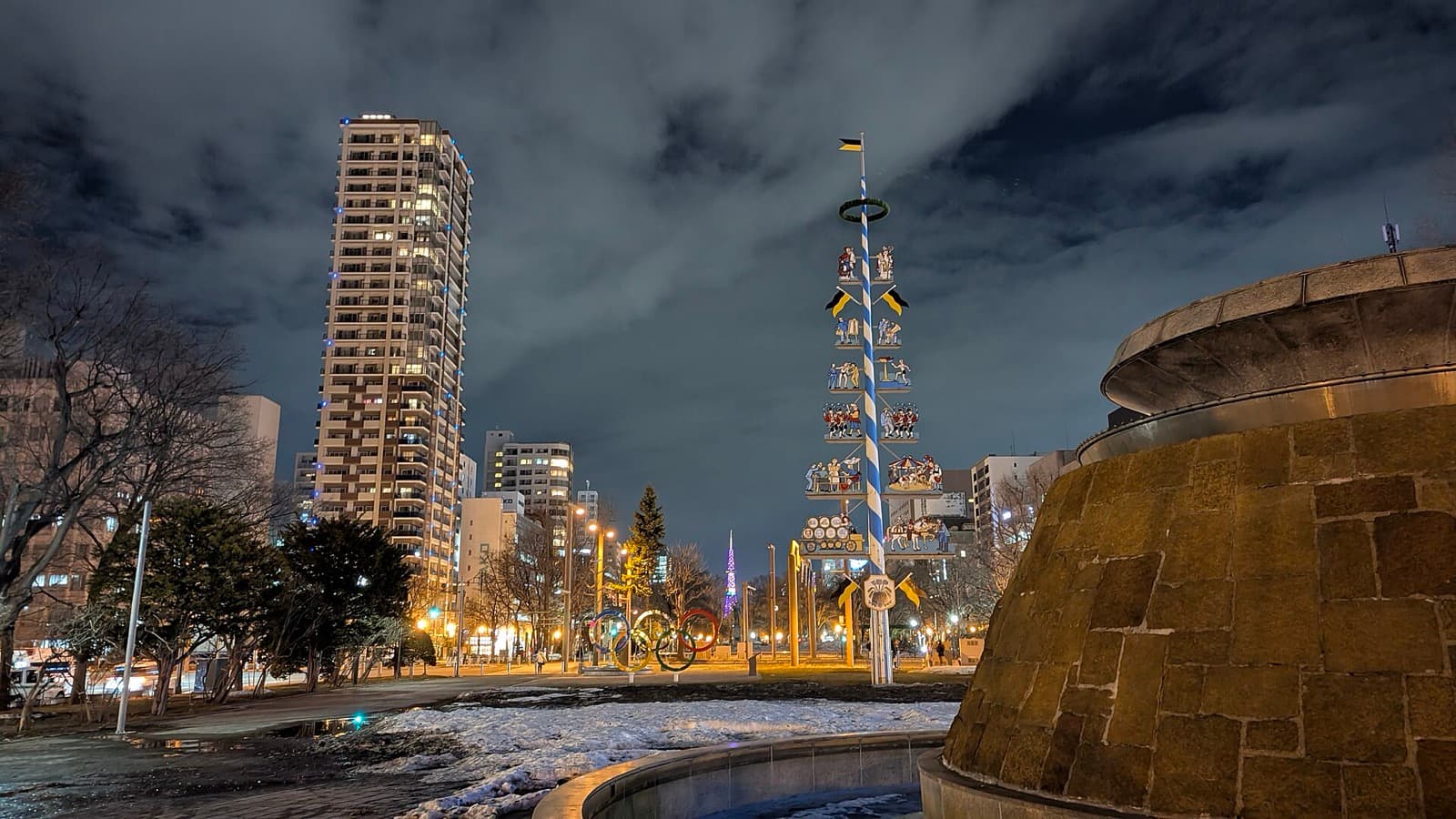
Sapporo Snow Festival 2027: Dates, Sites and Planning
Sapporo Snow Festival 2027 runs Feb 4–11 at Odori, Susukino, and Tsudome. Dates, what's at each site, hotel timing, and how to pair it with Niseko powder.
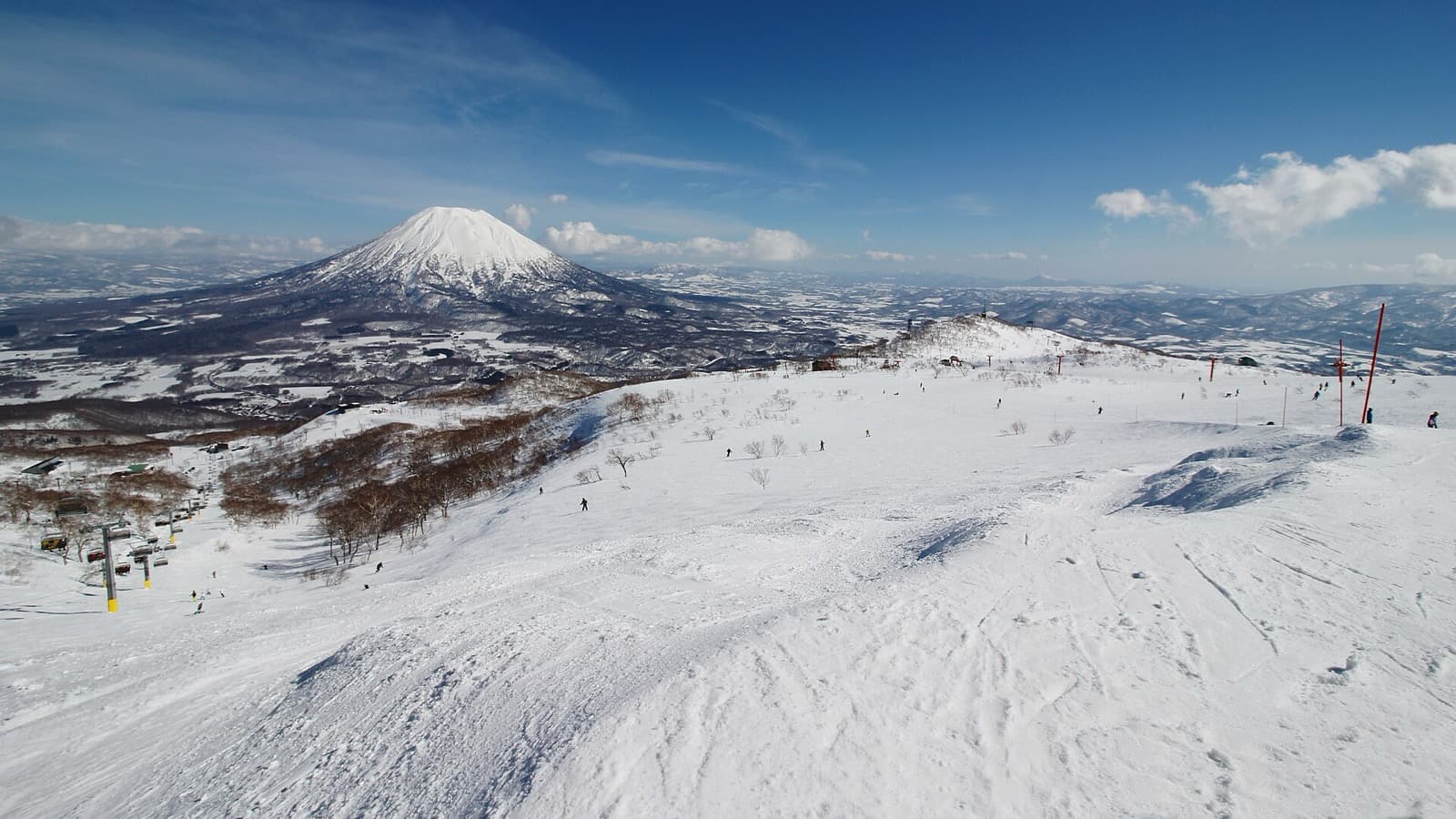
Niseko Guide: Powder Season, Where to Stay, and Getting There
Peak powder is January–February and lodging books early. Where to base in Hirafu, Annupuri or Hanazono, getting in from New Chitose, and Niseko in summer.